Why Synesthesia Is More Than Just Metaphor
Why Synesthesia Is More Than Just Metaphor
Quick Answer
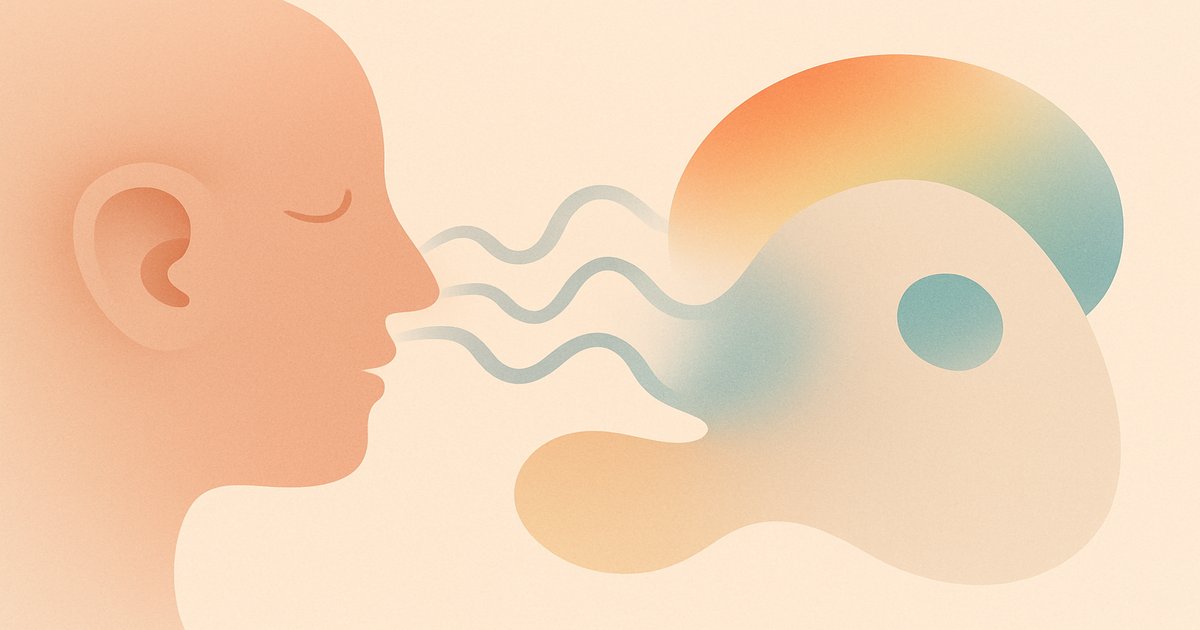
Synesthesia isn’t just a poetic way to describe vivid imagination or creative thinking—it’s a genuine, involuntary blending of the senses, where one type of sensory input automatically triggers another. For people with synesthesia, seeing letters as colors or hearing music as shapes is as real and automatic as tasting sweetness in a ripe strawberry. This isn’t just metaphorical language; it’s a consistent, lived experience that shapes perception in daily life. If you’re curious about the basics, you might want to start with our What Is Synesthesia guide.
More Than Creative Description: The Core of Synesthetic Experience
It’s easy to hear someone say, “Mondays feel blue,” or “her voice is warm and golden,” and assume that synesthesia must be something similar—a creative turn of phrase, or maybe a sign of artistic flair. Language is full of these color-rich metaphors. But for people with synesthesia, the experience goes far beyond the world of metaphor.
Let’s take a simple, everyday example. Imagine you’re reading a book, and every time you see the letter “A,” it appears as a bright red, no matter what color the text actually is. Even if the “A” is printed in black ink, your brain insists on painting it red. This isn’t a choice, or a product of imagination; it just happens, as effortlessly as blinking. You can learn more about this in our Grapheme-Color Synesthesia explainer.
For someone with synesthesia, these experiences are consistent and persistent. The color of “A” is always red, not just when they’re feeling artistic, tired, or inspired. It’s a reliable part of their sensory world.
A Common Misconception: Synesthesia as a Fancy Metaphor
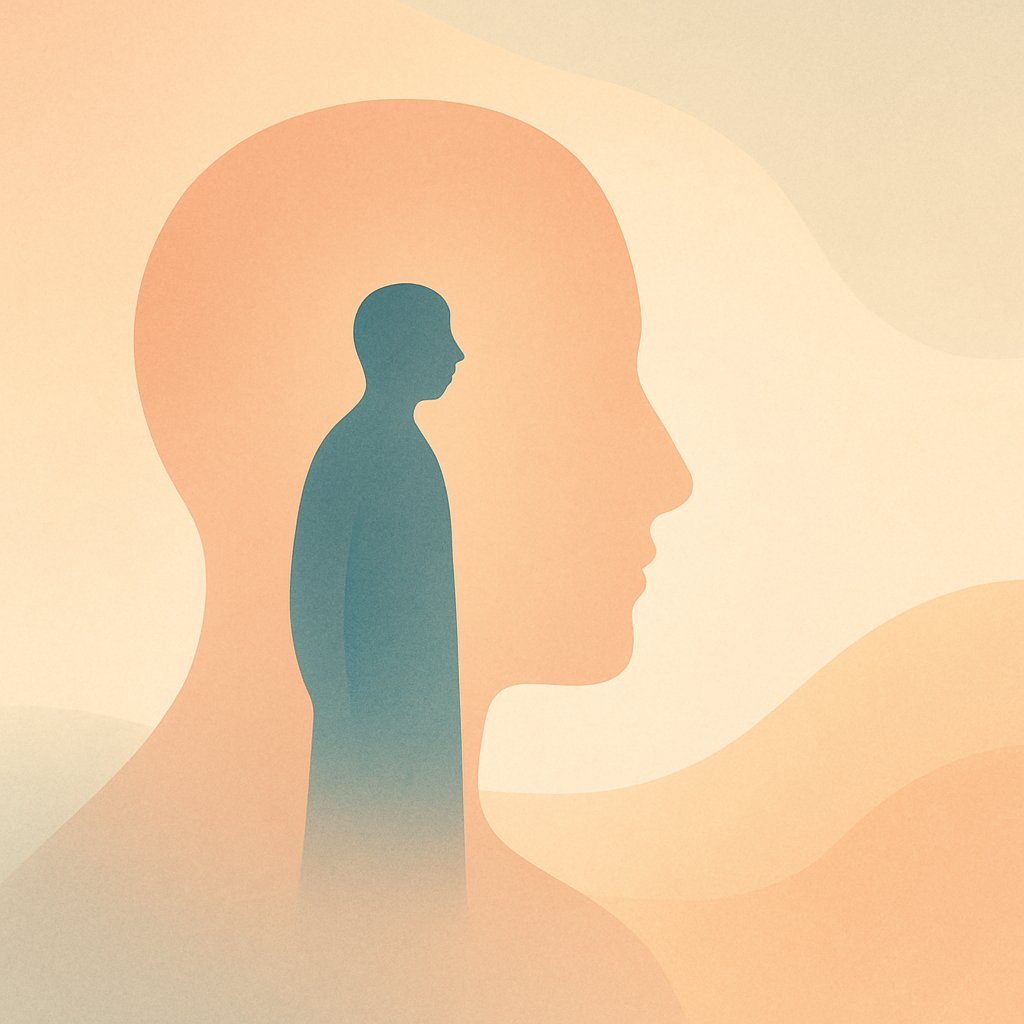
One of the most common misconceptions is that synesthesia is just a way of speaking—a creative habit, or a love of metaphor. Maybe people think of musicians who “see” sounds, or writers who describe “tasting words,” and assume it’s all just expressive language. But this doesn’t capture the reality for synesthetes.
Here’s where the difference lies: metaphors are optional and flexible, while synesthetic perceptions are automatic and consistent. If you say “this song feels blue” because it matches your mood, you can change your mind later, or describe it differently. If you have synesthesia, the color or shape linked to that song won’t change based on your mood or intention. It’s woven into your perception, not your vocabulary.
A Relatable Example: Ordering Ice Cream
Let’s put this in real-world terms. Picture yourself at an ice cream shop with a friend who has synesthesia. You’re both scanning the menu. You see “Mint Chip” and think about the taste. Your friend sees “Mint Chip” and, without trying, the words flash in a pale green and cool silver, as if someone highlighted them with invisible markers. She isn’t imagining or choosing those colors—they arrive unbidden, every time, just like the cold rush of mint follows the first bite.
You might ask, “Why green?” She’ll likely shrug. “It just is.” That’s the heart of synesthesia: the connections feel as natural and inevitable as the taste of mint itself.
The Reality: Synesthesia as a Sensory Crossover
If you’re wondering why synesthesia is more than just metaphor, think of it as a set of invisible pathways in the brain, connecting senses that usually run parallel. In most people, hearing a trumpet and seeing the color yellow are two separate events. For some, those paths cross: the sound of the trumpet always brings a flash of yellow, as naturally as thunder follows lightning.
Metaphors are like comparing two things—a bridge you build on purpose. Synesthesia is more like a river that’s always flowed that way, carving its own path. The brain isn’t making a comparison or searching for meaning; it’s generating direct sensory responses.
This blending can show up in countless forms: numbers with personalities, days of the week as distinct colors, or even the taste of words. Each person’s experience is unique, and no two synesthetes see the world in exactly the same way. If you’re curious about the diversity of these experiences, our Types of Synesthesia page is a helpful starting point.
Why the Difference Matters
Understanding that synesthesia is more than metaphor isn’t just a technicality—it’s an important distinction for validation and self-understanding. If you’ve always seen colors with numbers or tasted shapes, hearing someone dismiss it as “just a metaphor” can feel isolating. The truth is, your experience is real, consistent, and often lifelong.
For those who don’t have synesthesia, it can be hard to imagine this involuntary merging of senses. But recognizing the difference helps non-synesthetes appreciate why these experiences aren’t just creative descriptions—they’re a genuine part of how some people perceive the world.
And if you’re a synesthete yourself, it’s calming to know you’re not exaggerating or misusing language. What you sense is valid, even if others can’t see or feel it.
The Science Side (in Simple Terms)
Researchers have studied synesthesia for decades. They’ve found that synesthetic associations are consistent over time—if a person sees “Tuesday” as orange at age 10, they’ll likely still see it as orange at age 40. This reliability is one clue that synesthesia is a real perceptual phenomenon, not just a passing fancy or poetic mood.
While scientists are still exploring exactly how synesthesia works in the brain, one leading theory suggests that “cross-activation” between sensory regions creates these overlapping experiences. It’s as if the brain’s wiring is a little more interconnected, allowing stimuli in one sense to spark responses in another. You can explore some visualizations of these connections with our Synesthesia Mapping Tool.
Analogy: Synesthesia as a Unique Operating System
Here’s a simple metaphor: Imagine everyone’s brain is running a software program called “Perception 1.0.” For most, senses are separate apps—sight, sound, touch, each in its own window. For synesthetes, some of these apps are linked together, so clicking “sound” automatically opens up a pop-up of “color” or “shape.” It’s not a glitch or an add-on; it’s just how their system is built.
The Creative Edge—But Not Just for Artists
There’s a tendency to link synesthesia with creativity or artistic talent. While many creative people have synesthesia—and it can certainly inspire art, music, or writing—the experience itself isn’t limited to artists. People from all walks of life can have synesthesia: engineers, teachers, scientists, accountants. You don’t need to paint or compose symphonies to have a synesthetic mind.
If you’re interested in how synesthesia can influence creativity, check out our Synesthesia and Creativity post.
Validation for the Curious and the Unsure
If you’re here because you suspect you might have synesthesia—or you’ve always wondered why certain sounds feel “spiky” or why the letter “J” tastes like jam—you’re not alone. Many people go years before finding a name for these experiences. Some discover it by chance, stumbling on a description online or hearing someone else talk about their own sensory crossovers.
It’s natural to question, to doubt, or to wonder if you’re just being imaginative. But if your perceptions are consistent, automatic, and have been there as long as you can remember, you’re likely experiencing something real. There’s no test you have to pass, and no need to prove your experience to anyone. If you want to get a sense of where you land, our What Is Synesthesia and Self-Assessment Tool might be helpful.
Gentle Correction: More Than a Figure of Speech
So, to gently set the record straight—synesthesia isn’t just a flourish of language or a creative twist. It’s not about choosing to see the world a certain way, or inventing connections for the sake of poetry. It’s a genuine, perceptual phenomenon that’s as real to synesthetes as the taste of chocolate or the sound of rain.
FAQs
1. Is synesthesia just being creative or imaginative?
No—while creativity and imagination are wonderful, synesthesia is different. The associations are automatic, consistent, and not under conscious control. It’s not about “trying” to make connections; they simply happen.
2. Can someone develop synesthesia later in life?
Most synesthetes report having their experiences since early childhood, but there are rare cases where synesthesia appears after brain injury or as a side effect of certain medications. Generally, though, it tends to be stable over time. Learn more in What Is Synesthesia.
3. Are all synesthetes the same?
Not at all. Synesthesia comes in many forms, and each person’s experiences can be quite unique. Even people with the same type (like grapheme-color synesthesia) may see completely different colors for the same letters. Explore the Types of Synesthesia to see the range.
4. Does synesthesia help creativity?
It can, but it’s not a guarantee. Some synesthetes find inspiration in their perceptions, while others don’t feel especially creative. Synesthesia is about perception, not talent.
5. Can synesthesia be turned off?
For most people, synesthetic perceptions are automatic and always present. Some synesthetes can “tune out” or ignore their associations with effort, but the underlying connections remain.
6. How do I know if I have synesthesia?
If your sensory associations are consistent, automatic, and have been there for as long as you remember, you might have synesthesia. Our Self-Assessment Tool can help you reflect on your experiences.
7. Is synesthesia rare?
It’s more common than people once thought—some studies estimate that up to 4% of people have some form of synesthesia. But because many never talk about it, it can feel rare or isolating.
Summary
Synesthesia is more than a poetic lens or a creative habit. For those who live with it, it’s an everyday reality—a unique wiring of the senses that shapes perception in ways both subtle and vivid. While language is full of metaphor, synesthetic experiences are not about choice or imagination; they’re about automatic, consistent connections that color the world in deeply personal ways.
If you’re a synesthete, your experiences are valid. If you’re curious or unsure, you’re welcome here—there’s space for every kind of perception. And if you’re simply interested, understanding the real nature of synesthesia helps build a richer, more accepting view of the mind’s infinite variety.
For more foundational explanations, see What Is Synesthesia, Types of Synesthesia, or try our Synesthesia Mapping Tool to visualize your own associations. Curiosity, after all, is the most universal sense of all.
Related Articles

Can Everyone Experience Mild Synesthesia?
Introduces a foundational concept about synesthesia using clear language, real-world context, and research-backed explanations.
How Stable Is Synesthesia Over a Lifetime?
Introduces a foundational concept about synesthesia using clear language, real-world context, and research-backed explanations.
What Is Different Ways People First Discover Synesthesia? A Clear Explanation
Introduces a foundational concept about synesthesia using clear language, real-world context, and research-backed explanations.