Touch-to-Color Synesthesia Explained: How It Works and What It Feels Like
Touch-to-Color Synesthesia Explained: How It Works and What It Feels Like
Quick Answer
Touch-to-color synesthesia is a perceptual phenomenon where touching objects or textures triggers the vivid experience of colors—even when there’s nothing visually colorful in sight. For some, brushing against velvet might spark a sudden wash of turquoise in the mind’s eye. For others, the sensation of water running over the skin can paint invisible streaks of gold or violet. While everyone’s experience is unique, the common thread is this automatic, consistent blending of tactile sensations with color. It’s not imagination or pretending; it’s as real as the feeling of warm sunlight on your face. For more on the basics, start with What Is Synesthesia?.

What Is Touch-to-Color Synesthesia?
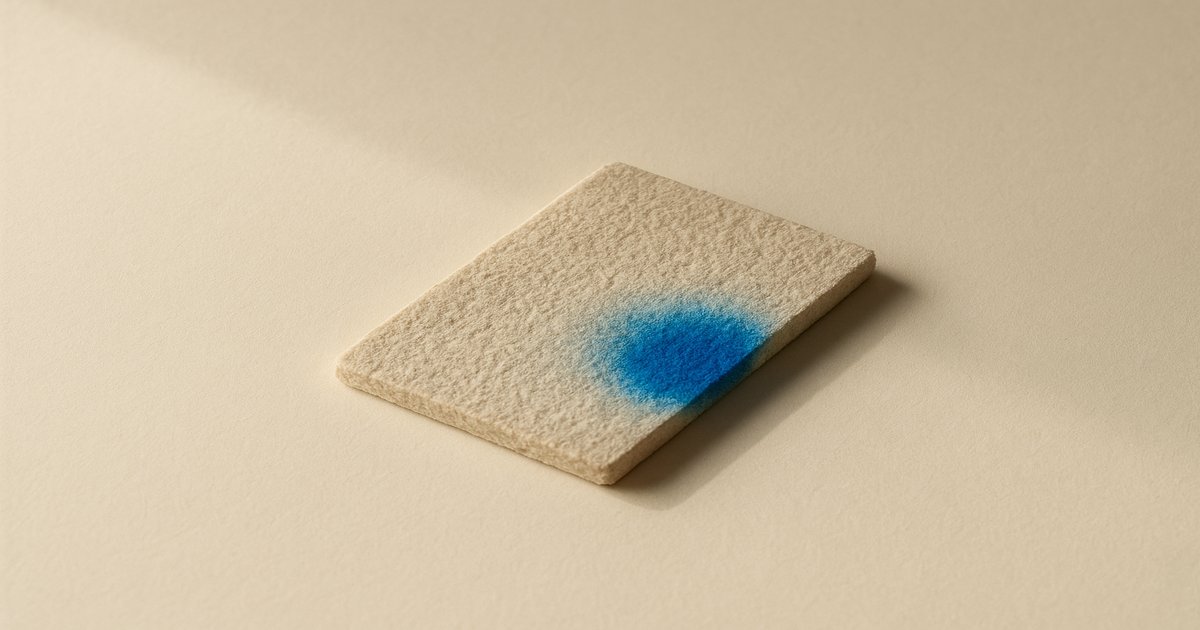
Touch-to-color synesthesia is one of the more rare and intriguing forms of synesthesia, a family of experiences where one sense involuntarily sparks another. In this case, physical touch—whether it’s the brush of a fingertip across sandpaper or the gentle pressure of a sweater sleeve—elicits the perception of color. The color isn’t seen “out in the world,” but rather in the mind’s eye, as if sensation and color are threads woven tightly together.
This isn’t about seeing colors with your actual eyes or hallucinating. Instead, there’s an internal visual response that’s just as real to the person experiencing it as the texture itself. It’s a bit like when a memory pops into your head out of nowhere—you didn’t choose it, but there it is, vivid and undeniable.
Touch-to-color synesthesia can show up in many ways. For some, it’s tied to specific materials: polished glass might feel like a cool, pale blue, while rough bark could set off a burst of rusty orange. For others, even subtle shifts in pressure or temperature can bring a color along for the ride.
If you’re curious about other forms—like hearing sounds as colors or tasting words—you might enjoy our overview of synesthesia types.

How Does Touch-to-Color Synesthesia Work?
The science is still catching up to the lived experience. Most researchers agree that synesthesia happens when the boundaries between senses are a bit more “open” than usual. In the brain, the areas that process touch and those that process color become cross-connected, so when one is activated, the other joins in. But the exact wiring—and especially why it happens for some people and not others—remains a bit of a mystery.
Think of it like neighboring houses with an overgrown garden between them. Most people have a neat fence dividing their senses; synesthetes have a wild tangle of vines and flowers, with roots reaching across the border. When something brushes against the “touch” side, a blossom of color might pop up on the other.
Everyone’s sensory garden is arranged differently. Some synesthetes experience color with every touch, while others find it only happens with particular textures or movements. The colors themselves—their shades, intensity, and even emotional tone—can vary dramatically from person to person.
If you’d like to see how your own sensory responses compare, you might try our interactive synesthesia tool to map out your perceptions.
What Does Touch-to-Color Synesthesia Feel Like?
Describing touch-to-color synesthesia can feel a bit like sketching rainbows for someone who’s never seen a prism. But here’s a concrete example:
Sophie, a university student who first realized something was “different” in high school, shares:
“Whenever I run my hands over corduroy, I get this flash of deep forest green. It’s not that I see green on the fabric itself—it’s more like there’s a green haze inside my mind, almost in the background of my thoughts. Sometimes, if I’m really paying attention, the color feels as ‘present’ as the texture itself. I used to think everyone had this, until I tried to describe it to my best friend and she just looked puzzled.”
For some, the colors are soft and pastel—barely more than a wisp of tint. For others, colors can be so vivid that they become an essential part of the tactile experience. A cool marble countertop might “feel” silver, while the stickiness of a label might be paired with a sharp, almost acidic yellow.
It’s important to remember that each synesthete’s palette is personal, shaped by their own history, moods, and even the associations they’ve built over time. What’s calming for one person might feel jarring for another. There’s no single “right” way to experience it.
How Is Touch-to-Color Synesthesia Different from Other Types?
Synesthesia comes in many flavors. Some people see colors when they hear music (sound-to-color synesthesia), while others taste shapes or see numbers as personalities. What makes touch-to-color unique is its starting point: the sense of touch.
Unlike grapheme-color synesthesia, where letters and numbers trigger colors, touch-to-color is activated by physical sensation. You might brush your sleeve, press your palm against a window, or even feel a gentle breeze, and a color appears in your consciousness. There’s no need for words or sounds—just touch.
One common misconception is that synesthetic colors are “imagined” or that people are just being metaphorical (“That velvet feels blue to me” as a poetic way of saying it’s cool and soft). In reality, for those with touch-to-color synesthesia, the color experience is involuntary and consistent. It’s not about creative description or daydreaming. The link between touch and color is real for them, as real as the sensation of softness or warmth.
If you want a broader look at how different senses can blend, check out our introduction to synesthesia.
Why Do Some People Experience Touch-to-Color Synesthesia?
The exact cause remains a bit of a puzzle. Genetics seem to play a role—synesthesia often runs in families—but environment and early sensory experiences might also shape how (and if) these connections develop. Some people discover their synesthesia in childhood; others notice it only when they start comparing notes with friends or reading about it online.
Researchers believe that everyone’s brain is wired to make connections between senses, especially early in life. Most people’s sensory pathways “prune back” as they grow, but for synesthetes, some of those cross-connections persist. Touch-to-color synesthesia is just one way these connections can express themselves.
For those who experience it, there’s nothing “wrong” or broken about their perception. It’s simply a different way of being in the world—a reminder of how flexible and creative the human brain can be.
Misconceptions and Gentle Clarifications
Misunderstandings are common, even among well-meaning friends and family. One of the biggest misconceptions is that synesthetic experiences are simply products of imagination or attention-seeking. In reality, touch-to-color synesthesia is as involuntary as a knee-jerk reflex. You don’t choose the colors, and you can’t just turn them off.
Another belief is that synesthetes “see” colors projected onto objects in the real world, almost like a heads-up display. For nearly all people with touch-to-color synesthesia, colors appear internally—in the mind’s eye, not directly on their skin or the object they’re touching. It’s a subtle but important distinction.
If you’ve ever wondered, “Is this real?”—the answer is yes, for you it is. Your experiences are valid, even if they’re not easily shared or measured. There’s a whole community of people who understand what it’s like to live with a colorful sensory world.
Living with Touch-to-Color Synesthesia: Everyday Experiences
For some, touch-to-color synesthesia is a quiet background melody—pleasant, but not disruptive. For others, it can shape preferences, habits, or even creative work. You might find yourself drawn to certain fabrics or textures because the colors they evoke are soothing or energizing. Conversely, you might avoid certain sensations if the accompanying colors feel overwhelming or unpleasant.
Imagine choosing your winter gloves not just for warmth, but because the lining “feels” like a comforting shade of blue. Or deciding to skip a particular type of hand soap because its slippery feel floods your mind with a jarring orange.
Some synesthetes find creative inspiration in their experiences. Artists, musicians, and designers sometimes use their internal color responses to guide their work, translating touch into visual art or even choreography. Others simply enjoy the extra splash of sensory richness in daily life.
If you’re curious about how your synesthesia might fit into the broader landscape, check out our community stories for relatable experiences.
A Calming Word for the Curious and the Unsure
If you recognize yourself in these descriptions—or if you’re still not sure—it’s okay. There’s no need to fit into any strict definition or compare your experiences to others. Synesthesia is deeply personal, and there’s a wide spectrum of what’s “normal” within it. Whether your touch-to-color experiences are subtle or spectacular, fleeting or frequent, they’re part of what makes your perception uniquely yours.
If you ever feel uncertain or isolated, remember that many others share similar questions and moments of self-doubt. Your experience is real and valid, even if you’re the only one in your circle who knows what it’s like.
Simple Analogy: The Patchwork Quilt
Imagine your senses as patches on a quilt. For most people, each patch is neatly stitched and separate—touch here, color there. For someone with touch-to-color synesthesia, a few of those patches overlap and blend at the edges. When you run your hand over a textured patch, a bit of color from the next square seeps in, creating new patterns that no one else can see but you.
This blending doesn’t make the quilt flawed or broken—it just makes it more intricate and interesting.
FAQ
1. How do I know if I have touch-to-color synesthesia?
If you consistently experience specific colors in response to touch—without trying or imagining—it could be a form of synesthesia. Try noting your experiences over time and see if patterns emerge. Our self-check guide might help clarify.
2. Is touch-to-color synesthesia common?
It’s considered rare compared to other types, like grapheme-color or sound-to-color synesthesia. That said, many people may have mild or unrecognized forms.
3. Are the colors the same every time I touch something?
For most synesthetes, the color associations are fairly stable, but they can shift with mood, context, or over time. There’s a lot of individual variation.
4. Can you “turn off” synesthesia or control the colors?
The experiences are typically involuntary. Some people learn to focus more or less on their synesthesia, but the colors themselves aren’t chosen or willed.
5. Does touch-to-color synesthesia affect daily life?
For most, it’s a neutral or even enjoyable part of sensory experience. Some people find it influences their preferences or creativity, while others hardly notice it.
6. Can I develop touch-to-color synesthesia later in life?
Most discover it in childhood or adolescence, but some become aware of it as adults—often after learning that not everyone experiences the world this way.
7. Where can I connect with others or learn more?
Explore our community forum and check out more articles on synesthesia types and lived experiences.
Summary
Touch-to-color synesthesia adds an unexpected splash of color to the world—a secret language between texture and hue, known intimately by those who experience it. Whether it’s the green of corduroy or the silver of marble, these colors are woven through daily life in ways that are both mysterious and familiar. There’s no single “right” way to experience this phenomenon, and your patchwork of sensory connections is yours alone.
If you’ve ever wondered about the colors behind your touch, you’re in good company. The world of synesthesia is broad and welcoming, with room for every shade and sensation. If you’re still curious, reach out, compare notes, or simply enjoy the added richness your senses bring. Your perception is valid, your colors are real, and the quilt you carry is truly one of a kind.
Related Articles

Symbol-Color Synesthesia Explained: How It Works and What It Feels Like
Explains a specific type of synesthesia, including sensory triggers, lived experience, and how it differs from other types.

Grapheme-Color Synesthesia Explained: How It Works and What It Feels Like
Explains a specific type of synesthesia, including sensory triggers, lived experience, and how it differs from other types.

Why Some Synesthetes See Shapes Instead of Colors
Introduces a foundational concept about synesthesia using clear language, real-world context, and research-backed explanations.