Taste-to-Shape Synesthesia Explained: How It Works and What It Feels Like
Taste-to-Shape Synesthesia Explained: How It Works and What It Feels Like
Quick Answer
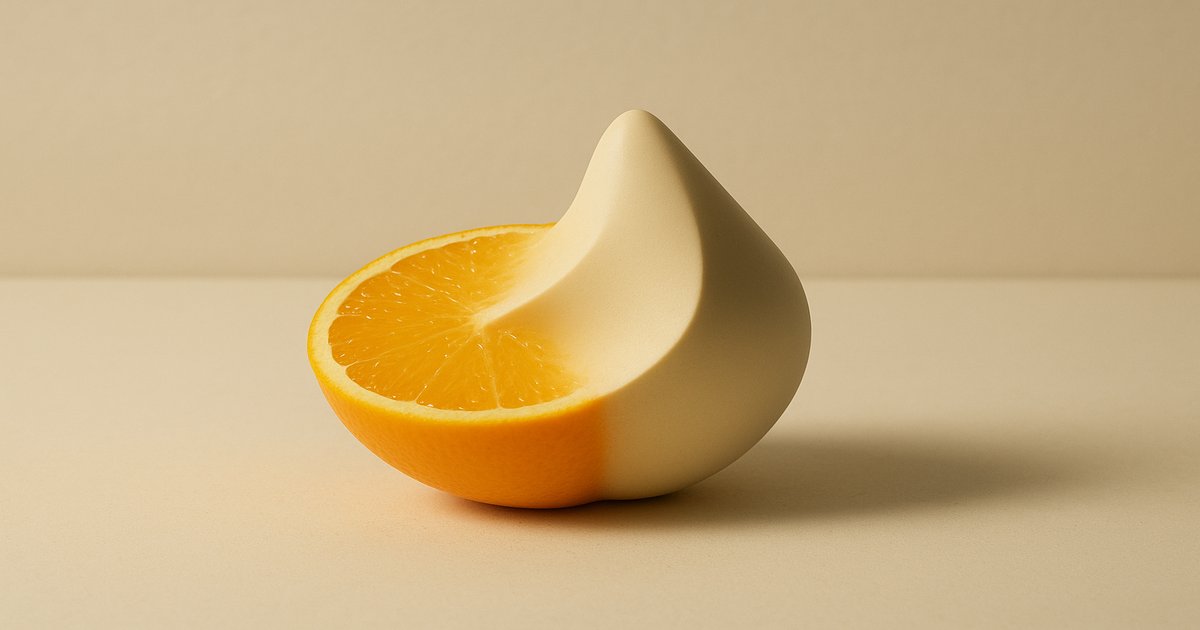
Taste-to-shape synesthesia is a rare form of synesthesia where tasting something automatically triggers the perception of a distinct shape. Imagine eating a strawberry and instantly “seeing” a round, bumpy red ball in your mind’s eye, or sipping coffee and sensing a jagged, angular form. This isn’t about imagining or associating—these shapes appear as real, automatic experiences, woven into everyday perception. While everyone’s version is unique, the core feature is that a taste evokes a consistent, involuntary shape experience, often felt internally rather than literally seen in front of you.

What Is Taste-to-Shape Synesthesia?
If you’re new to the world of synesthesia, it helps to know that it’s an umbrella term for experiences where senses blend together in unusual ways. While some people “see” colors when hearing music or “hear” sounds when seeing movement, taste-to-shape synesthesia is a specific subtype. Here, the act of tasting something—whether it’s sweet, sour, bitter, or complex—brings with it the distinct sensation or visualization of a shape.
It’s not just flavors, either. Sometimes texture, temperature, or even intensity of a taste can influence the shape that’s perceived. For a few, a spoonful of honey might conjure up a golden, pillowy oval. For others, sharp cheddar could arrive with a flash of spiky triangles, rough and angular in the mind.
This kind of experience isn’t about metaphor or poetic association (“this chocolate is smooth as silk”). It’s direct, automatic, and very real to those who have it. The shapes aren’t usually seen floating in the air—they tend to appear “in the mind’s eye,” almost like a mental overlay, although occasionally people report a more external sense.
If you’re curious how taste-to-shape fits among other types, you might find it helpful to explore our Synesthesia Types Overview or our visualization tool to see how experiences differ.

How Does Taste-to-Shape Synesthesia Work?
The Basics
At its heart, taste-to-shape synesthesia involves a cross-activation between regions of the brain responsible for processing taste (gustatory cortex) and those involved in shape or spatial perception (often in the visual cortex). When you taste something, the brain’s usual pathways light up, but in synesthetes, a secondary pathway also activates, automatically producing a shape experience.
This might sound mysterious, but the best way to imagine the process is to think of two radio stations broadcasting on nearby frequencies. For most people, tuning in to one channel brings in only that station. For synesthetes, a bit of “signal” from the neighboring channel comes through as well. In this case, tasting food brings in a “signal” from the part of the mind that perceives shapes.
Triggers and Consistency
People with taste-to-shape synesthesia often report that specific tastes always trigger specific shapes. For example, every time they taste lemon, the same spiky yellow star pops up. Over time, these pairings become familiar and consistent, almost like an internal dictionary. That said, the strength and clarity of the shapes can vary—some people get vivid, detailed visuals, while others have more of a fleeting, intuitive sense of “roundness” or “sharpness.”
It’s also worth noting that not every taste triggers a shape, and the experience can change with age, mood, or even context. The sensory world is rarely rigid.
What Does Taste-to-Shape Synesthesia Feel Like?
Lived Experience: A Real-Life Example
Let’s meet Sophie, who discovered her taste-to-shape synesthesia in her teens. For her, every flavor has its own geometry. Fresh mint, for example, isn’t just cool and refreshing—it’s a pale green spiral, smooth and gently rotating in her mind. Black coffee always brings a dark, jagged shape, almost like a charcoal lightning bolt. The shapes arrive instantly, unbidden, sometimes so vivid that she’s startled by their presence. They don’t block her vision, but they overlay her thoughts, coloring her impressions of even the simplest snack.
Sophie describes the experience as background music to her meals—always there, sometimes prominent, sometimes subtle, but never under her conscious control. If she tries to “turn off” the shapes, she can’t. They’re as woven into her experience as the taste of the food itself.
This is just one person’s story. Others might experience shapes that feel more like a tactile sensation—a “roundness” or “sharpness” perceived not with the eyes, but with an internal sense of space.
The Sensation: Mind’s Eye, Not Actual Sight
Many people, when first hearing about this kind of synesthesia, assume that synesthetes literally see floating shapes in front of their eyes. In reality, for most, these shapes are “seen” with the mind’s eye—a bit like how you can picture a triangle if someone says the word, but far more automatic and immediate. It’s not imagination or effortful visualization; it’s as involuntary as the taste itself.
On rare occasions, some individuals do report seeing faint outlines or patterns overlaid on their vision, but this is less common. Most describe it as an internal, almost dreamlike overlay.
How Is Taste-to-Shape Synesthesia Different from Other Types?
With so many fascinating varieties of synesthesia, it’s easy to get them tangled up. The main difference with taste-to-shape is the pairing of gustatory (taste) input with geometric or spatial forms. Compare this with grapheme-color synesthesia, where letters or numbers evoke colors, or sound-to-color synesthesia, where musical notes create visual bursts.
A key distinction is that in taste-to-shape, the trigger is almost always the sensory act of tasting—eating, drinking, savoring. The response is not a color, but a shape, form, or spatial impression. It’s a unique pairing, and while it might overlap with other forms (some people have both taste-to-shape and taste-to-color), the “shape” component is what sets it apart.
If you’re curious about the many ways synesthesia can manifest, our What Is Synesthesia? page offers a broad introduction.
Common Misconceptions (And a Gentle Clarification)
A frequent misunderstanding is that synesthetes are simply being poetic or imaginative when they describe these experiences. Some people might say, “Oh, you just think chocolate is round and smooth because it tastes that way.” But for synesthetes, the shape experience isn’t a metaphor or a choice. It happens automatically and consistently, often from childhood, regardless of whether they’re paying attention.
It can be helpful to think of it like a reflex—the way your knee jerks when tapped. You don’t decide for it to happen; it just does. Similarly, the shape experience arrives with the taste, uninvited and undeniable.
Is It Weird? (A Calming, Validating Note)
If you’re reading this and thinking, “Is this normal? Am I the only one?”—you’re definitely not alone. Synesthesia is a natural variation in human perception, not a flaw or a sign of something wrong. Some people have it, some don’t, and that’s okay. For many, it’s a quiet, private aspect of their sensory world. Others find it inspiring or creatively useful.
However your experience feels to you, it’s valid—whether you find it delightful, distracting, or simply interesting. There’s no need to “fix” or hide it. If you’d like to connect with others, you might enjoy exploring our community stories or reading more about synesthesia validation and acceptance.
A Simple Analogy: The Flavor Projector
Imagine your mind as a movie projector. For most people, tasting food turns on the “flavor movie”—sweet, sour, salty, etc.—and that’s the whole show. For someone with taste-to-shape synesthesia, there’s a second reel that runs alongside: the “shape movie.” Every bite, sip, or taste automatically projects a unique shape onto the mental screen. The two movies play in perfect sync, sometimes blending, sometimes highlighting each other, but always present together.
This analogy isn’t perfect (no metaphor ever is), but it can help non-synesthetes grasp the automatic, intertwined nature of the experience.
Frequently Asked Questions
1. Does taste-to-shape synesthesia mean I’ll always see the same shape for a specific taste?
Most people with this type of synesthesia report consistent pairings over time, but the shapes may evolve or shift subtly with age or experience.
2. Do I need to “see” the shapes with my eyes for it to count as synesthesia?
No. Most synesthetes experience the shapes in their mind’s eye, not as a physical hallucination. The key is that it’s automatic and consistent.
3. Can taste-to-shape synesthesia be developed or learned?
Synesthesia isn’t something you can force or practice into existence. For most, it’s present from childhood, though some may notice it more as they grow older.
4. Is taste-to-shape synesthesia related to creativity?
Some people with synesthesia report enhanced creativity or unique ways of thinking, but not everyone feels this way. The experience itself is not a talent or a skill.
5. Could I have other forms of synesthesia as well?
Yes, some people experience more than one type. It’s possible to have taste-to-shape alongside other pairings, like sound-color or grapheme-color.
6. Should I tell my doctor or psychologist?
Synesthesia is not a disorder, so there’s no medical need to disclose it unless you want support or are curious about your experiences. If you have questions, a supportive professional should listen without judgment.
7. Where can I find other people who experience this?
There are online communities, forums, and projects (like Synesthetic.ca) where people share their stories and connect.
Summary
Taste-to-shape synesthesia offers a unique window into the diversity of human perception. For those who live with it, tasting isn’t just about flavor—it’s a multi-sensory event, with shapes and forms dancing alongside every bite. These experiences are valid, real, and deeply personal, even if they’re invisible to others.
Whether you’re someone who sees swirling spirals with your mint tea or you’re just learning about synesthesia for the first time, take a moment to appreciate the intricate ways our senses can weave together. Curiosity, empathy, and acceptance go a long way—both for ourselves and the people around us.
If you’d like to read more, you might enjoy our What Is Synesthesia?, Types of Synesthesia, visualization tool, or real-life community stories. There’s a whole spectrum of experience out there, and every story adds something new to the picture.
Related Articles

Smell-Color Synesthesia Explained: How It Works and What It Feels Like
Explains a specific type of synesthesia, including sensory triggers, lived experience, and how it differs from other types.
Music-to-Texture Synesthesia Explained: How It Works and What It Feels Like
Explains a specific type of synesthesia, including sensory triggers, lived experience, and how it differs from other types.

Number-Form Synesthesia Explained: How It Works and What It Feels Like
Explains a specific type of synesthesia, including sensory triggers, lived experience, and how it differs from other types.