Symbol-Color Synesthesia Explained: How It Works and What It Feels Like
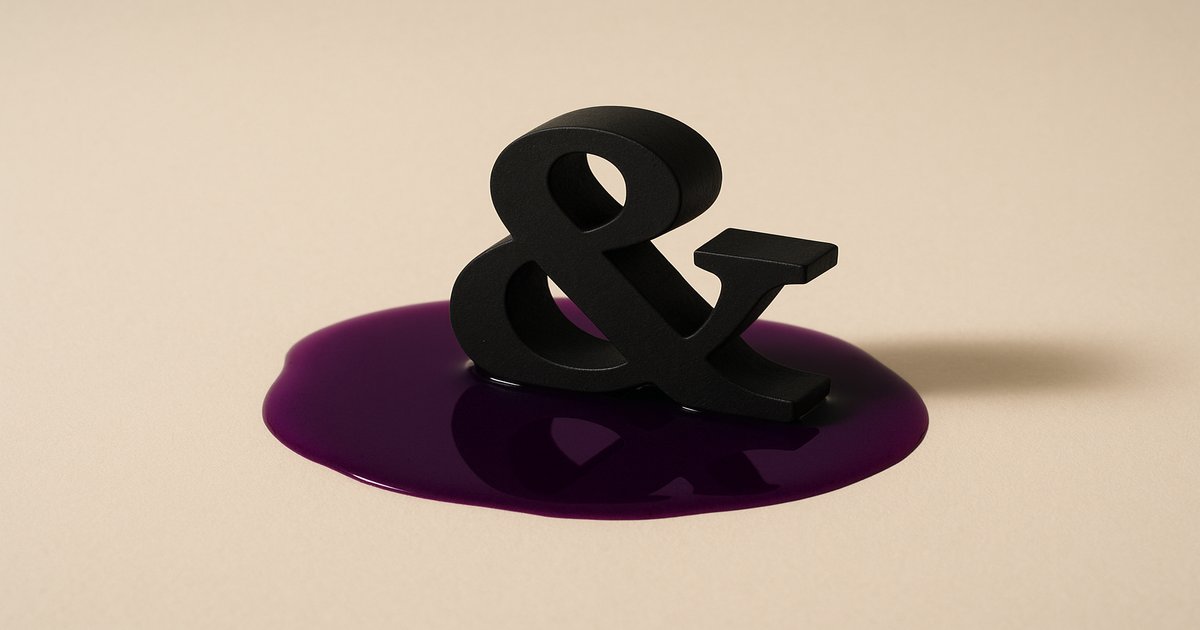
Symbol-Color Synesthesia Explained: How It Works and What It Feels Like
Quick Answer
Symbol-color synesthesia is a form of synesthesia where abstract symbols—like numbers, letters, or even punctuation marks—consistently trigger the experience of specific colors in a person’s mind. Imagine reading a math equation and seeing the number 5 as forest green, or typing an asterisk and feeling it shimmer golden yellow. These color associations aren’t chosen; they simply appear, as naturally as hearing a bell produces sound. Symbol-color synesthesia is unique to each person and can feel both subtle and vivid, sometimes even comforting or creatively inspiring. Unlike simply “liking” certain colors for symbols, these experiences are involuntary and persistent. For more on the basics, see What Is Synesthesia?.

What Is Symbol-Color Synesthesia?
Symbol-color synesthesia is a specific type of synesthesia—a perceptual phenomenon where stimulation of one sense or concept consistently and automatically triggers another. In this case, the trigger isn’t a sound or a smell, but a symbol: a shape, character, or even a mathematical operator. When someone with this form of synesthesia encounters a symbol, a companion color appears in their mind’s eye or on the “canvas” of their mental world.
Symbols can be anything abstract: numbers, letters, ampersands, currency signs, musical notes, or even unique icons from a game or language. The associated color isn’t random, but feels as steady as a shadow on a sunny day. Some people experience the color as an overlay—almost as if the symbol itself is tinted—while others sense the color in their imagination, nearby, or as a kind of background glow.
If you’re new to the idea of synesthesia or want to see how it connects to other forms, you might find our overview of synesthesia types helpful.

How Does Symbol-Color Synesthesia Work?
No two symbol-color synesthetes will see their symbols exactly the same way. For one person, the letter “A” might always gleam red; for another, it might be blue or even multicolored. The colors themselves can be pastel, neon, muted, or vivid—sometimes shifting in shade but rarely in basic hue. The connections are automatic, not consciously chosen or learned. They’re not the result of memorization or decoration, but more like a reflex.
There’s something almost orchestral about it: symbols and colors playing together in the background, sometimes so subtly that the synesthete forgets it’s unusual. The associations can show up when reading, writing, doing math, or even daydreaming. Some people see the colors “out there,” almost as if they’re projected onto the page or screen (this is sometimes called projector synesthesia). Others experience the color internally, “in the mind’s eye” (an associator experience).
If you’re curious about your own experiences, you might enjoy trying out our interactive symbol-color visualization tool to see how your associations compare to others.
What Does It Feel Like to Have Symbol-Color Synesthesia?
Picture this: you’re filling out a crossword puzzle, and every letter you write brings a tiny burst of color to your mind. Perhaps the “E” in “TREE” glows yellow while the “T” stands quietly blue. The colors don’t distract you, but they add a kind of depth to the task, like hints of music in the background of a familiar room.
For some, the experience is so constant that they don’t realize it’s unique until someone points it out. It’s a bit like growing up in a home where everyone speaks two languages—you might not even notice the switching until you step outside and realize others don’t do it.
A Relatable Example
Sam, a graphic designer, always thought everyone “saw” numbers in color. For Sam, the number “7” is a deep purple, whether it’s on a digital clock or the total on a receipt. He remembers being confused in elementary school when friends didn’t understand why he’d say, “The answer has to be green—it’s five!” For Sam, the colors aren’t just decorations—they’re part of the symbols, inseparable and ever-present.
How Is Symbol-Color Synesthesia Different from Other Types?
It’s easy to mix up symbol-color synesthesia with similar forms, like grapheme-color synesthesia (where letters and numbers have colors). The boundaries can be fuzzy, especially since letters and numbers are technically symbols. What sets symbol-color synesthesia apart is its broader reach: it can include not just graphemes but also mathematical symbols, currency signs, or even musical notation. For some, even punctuation marks—like the humble comma or the question mark—spark a color, distinct from the letters around them.
Here’s a metaphor: imagine a set of colored glass marbles. In grapheme-color synesthesia, only certain marbles—letters and numbers—are colored. In symbol-color synesthesia, the whole bag can light up: exclamation points, dollar signs, brackets, and beyond.
If you’re interested in related types, check our pages on grapheme-color synesthesia and ordinal linguistic personification, where numbers or letters take on personalities.
Common Misconceptions About Symbol-Color Synesthesia
A gentle correction: many people think synesthetes “decide” which colors go with which symbols, as if they’re picking out markers for a project. In reality, the associations are involuntary—more like reflexes than choices. Another misconception is that all synesthetes see the same colors for the same symbols. In truth, these pairings are highly individual. In a room of ten symbol-color synesthetes, you’ll find a rainbow’s worth of differences.
Some also imagine the colors are always vivid and “seen” out in the world. For many, the colors are felt internally—a sense, a certainty, rather than a literal overlay. Both experiences are valid, and neither is “more real” than the other.
Why Does Symbol-Color Synesthesia Happen?
The honest answer is: researchers don’t fully know. There are theories about increased connectivity between regions of the brain responsible for processing symbols and those involved in color perception. Some studies suggest a genetic component, especially since synesthesia often runs in families. But there isn’t a single cause, and not all synesthetes fit the same pattern.
What’s clear is that these associations are stable over time, and they’re different from simply having a favorite color for a letter or number. They tend to show up early in life and persist, sometimes shifting slightly, but rarely disappearing altogether.
If you’re interested in the science, our FAQ about synesthesia covers more about current research and open questions.
How Does Symbol-Color Synesthesia Affect Everyday Life?
For many, symbol-color synesthesia is a quiet companion—neither a superpower nor a burden. Some find it helps with memory: recalling a phone number by its “color pattern,” or catching typos because the color sequence “feels off.” Others say it adds a subtle layer of beauty to routine tasks. In stressful times, the familiar colors can even feel grounding, like a comforting melody in the background.
Of course, experiences vary. A few people find the colors distracting, especially if the symbol-color pairings don’t match the colors in a design or sign. For most, though, it’s simply a part of who they are—a feature, not a flaw.
Is Symbol-Color Synesthesia Rare?
It’s hard to say for certain, since many people don’t realize their experiences are unusual. Some studies estimate that around 1 in 2,000 to 1 in 5,000 people experience some form of symbol-color synesthesia, but numbers vary widely, depending on how narrowly you define it. Some people notice their associations only when prompted, while for others, it’s a daily, vivid presence.
If you’re wondering whether you might have synesthesia, you can read our guide on how to recognize synesthesia in yourself.
Is It Okay to Talk About It?
Absolutely. If you experience symbol-color synesthesia, you’re not alone—even if it sometimes feels that way. There’s nothing “wrong” with your mind, and you don’t need to hide your experiences. Some people find community and comfort by connecting with others who understand. If you’re not ready to share, that’s okay, too. Your experiences are valid, whether you discuss them or keep them private.
FAQ: Symbol-Color Synesthesia
1. How is symbol-color synesthesia different from just having a favorite color for a symbol?
Symbol-color synesthesia is involuntary and consistent—the colors appear automatically, not by choice or preference. Having a favorite color is a conscious decision, while synesthetic colors simply “arrive” when you see or think about the symbol.
2. Can the color associations change over time?
For most people, the core associations stay steady, but subtle shifts can happen—especially with age, stress, or new experiences. Major changes are uncommon but possible.
3. Do all symbols have colors, or just certain ones?
It varies by person. Some experience colors for every symbol they encounter, while others have vivid associations only for a few. There’s no “right” way to experience it.
4. Is symbol-color synesthesia related to creativity or intelligence?
Synesthesia is not a sign of higher (or lower) creativity or intelligence. Some people find it inspires creative work, but it’s simply one variation on how human minds process information.
5. Can someone develop symbol-color synesthesia later in life?
Most people discover their synesthesia in childhood, but there are rare stories of it appearing after neurological changes or intense experiences. However, late-onset cases are uncommon.
6. Can you “train” yourself to have symbol-color synesthesia?
You can learn to associate colors with symbols, but this is not true synesthesia. Synesthetic experiences are automatic and persistent, not memorized or practiced.
7. Is it possible to have synesthesia for symbols in more than one language or script?
Yes! Some people find that each alphabet or set of symbols brings its own unique palette. For others, only one script triggers colors. There’s a lot of variation.
Summary
Symbol-color synesthesia is one of those quietly remarkable ways that human perception can differ, almost like having a private set of colored glasses through which certain symbols shimmer and glow. The experience is as varied as the people who have it. For some, it’s an everyday companion; for others, a gentle surprise. If you see colors with symbols—whether clearly, subtly, or somewhere in between—you’re part of a diverse community of minds that process the world a little differently.
If you’re still curious, take a look at our What Is Synesthesia? primer, check out the symbol-color visualization tool, or explore more about other synesthesia types. However your colors appear, know that your experience is real, valid, and worthy of understanding.
Related Articles
Grapheme-Color Synesthesia Explained: How It Works and What It Feels Like
Explains a specific type of synesthesia, including sensory triggers, lived experience, and how it differs from other types.
Why Some Synesthetes See Shapes Instead of Colors
Introduces a foundational concept about synesthesia using clear language, real-world context, and research-backed explanations.
Chromesthesia Explained: How It Works and What It Feels Like
Explains a specific type of synesthesia, including sensory triggers, lived experience, and how it differs from other types.