Smell-Color Synesthesia Explained: How It Works and What It Feels Like
Smell-Color Synesthesia Explained: How It Works and What It Feels Like
Quick Answer
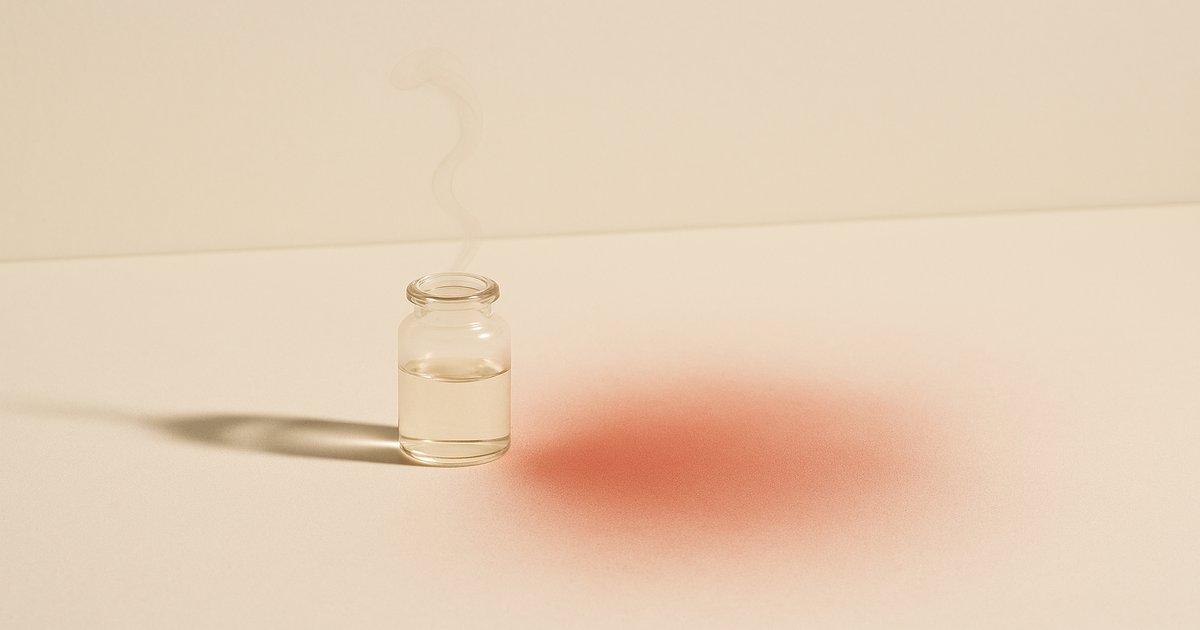
Smell-color synesthesia is a perceptual phenomenon where certain scents automatically and consistently evoke the experience of specific colors, either in the mind’s eye or, for a few, as overlays on the world. People with this type of synesthesia might catch a whiff of fresh-cut grass and instantly, unbidden, see a flash of deep green or even swirling patterns of chartreuse. This isn’t something they choose or imagine—it’s simply how their senses have always worked together. The colors aren’t random; for each person, they’re as reliable as a favorite song’s melody. While many people don’t realize this blending of senses has a name, it’s a genuine and naturally occurring variation in perception. Not everyone with synesthesia experiences it in the same way, but for those who do, it’s as real as the scent itself.
What Is Smell-Color Synesthesia?
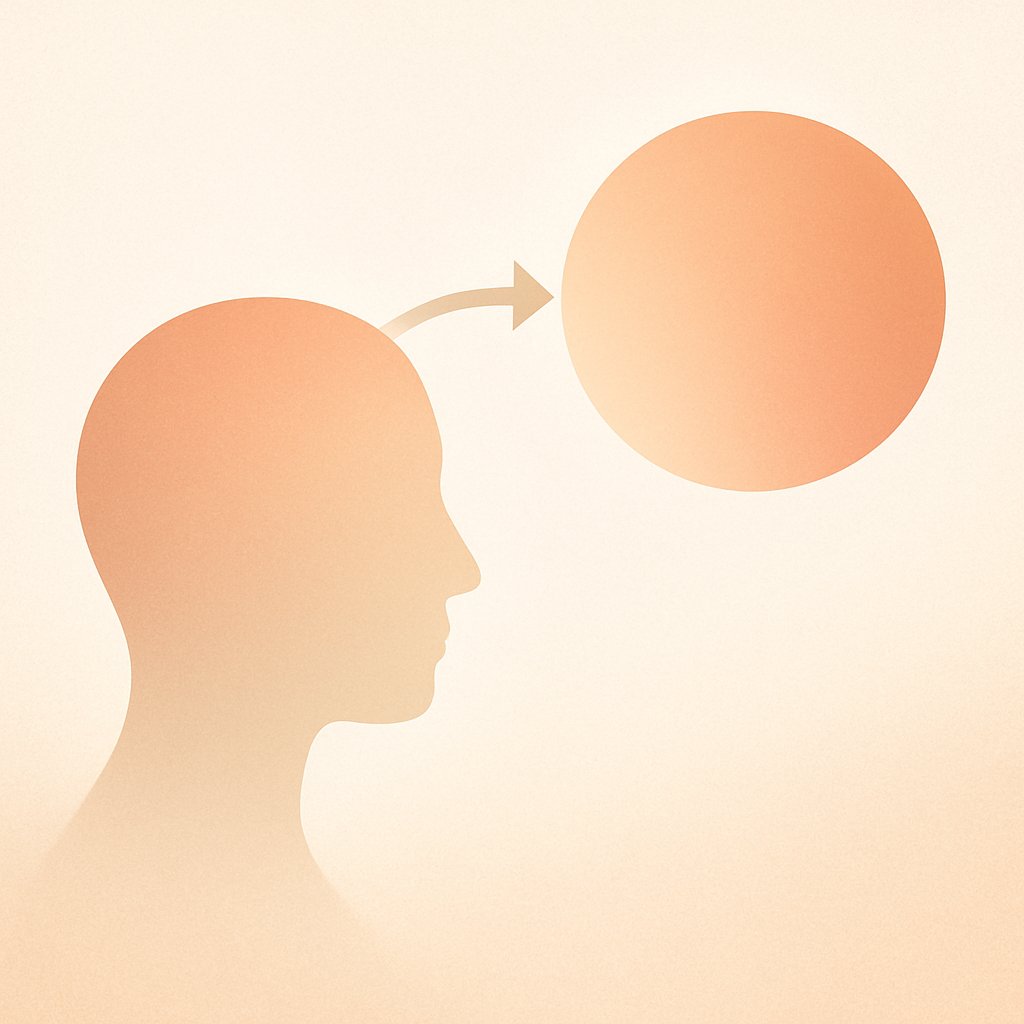
Smell-color synesthesia is a particular type of synesthesia—a crossing of senses where one type of sensory input (like a scent) automatically triggers a secondary sensory experience (like a color). In this case, the bridge is between olfaction (smell) and color perception.
For people with this form of synesthesia, scents don’t just linger in the nose; they turn into a palette of color. This isn’t a memory association or a creative metaphor—it’s a consistent, involuntary experience. The smell of cinnamon, for example, might always come with a hazy, warm red cloud. Someone else might find that the aroma of rain on concrete evokes a cool, steely blue.
This differs from other types, such as grapheme-color synesthesia, where letters or numbers evoke colors, or sound-color synesthesia, where music creates visual color experiences. With smell-color, the trigger is always a scent.

How Does Smell-Color Synesthesia Work?
The short answer: no one fully understands why some brains blend senses this way. But we do know a bit about what happens.
Most people’s senses are filtered into separate streams. For those with synesthesia, some of these sensory pathways seem to remain intertwined—like rivers that cross and mingle before splitting off again. When a person with smell-color synesthesia inhales a scent, their brain doesn’t just process it as “rose” or “lemon”; it also serves up an accompanying color, as if the scent came with a built-in visual soundtrack.
Some researchers suggest there’s extra connectivity between the parts of the brain that process smell (the olfactory cortex) and those responsible for color (often the visual cortex). In practical terms, it’s as if the brain’s wiring allows a shortcut from one sense to another, making the experience vivid and automatic.
Importantly, these color experiences aren’t usually “seen” in the outside world. Most people describe them as mind’s-eye experiences—like an inner screen lighting up with color as soon as the scent hits. For a few, the sensation can be more external, almost like a colored mist overlaying their surroundings. Either way, the experience is real to them.
What It Feels Like: A Real-Life Example
To someone who’s never had this kind of sensory overlap, it can sound mysterious—almost magical. But for those who live with it, it’s simply part of daily life.
Take Mira, for instance. She’s always thought of herself as “visual,” but as a child, she noticed something peculiar. Every time her mother baked banana bread, Mira would see a gentle wash of pale yellow, not just in her imagination, but as a presence she couldn’t ignore—like sunlight through a curtain. Even now, walking past a bakery, if she catches that familiar scent, the same buttery yellow springs to mind, unbidden and undeniable.
For Mira, these color flashes aren’t distracting or overwhelming; they’re almost like a secret language between her nose and her mind’s eye. She’s learned to expect them, and even finds them comforting—a familiar part of her sensory world.
Common Triggers and Experiences
Scents that trigger colors can be everyday or unusual. Some people experience colors from perfumes, food aromas, flowers, or even less pleasant smells like gasoline or cleaning products. The specific color paired with a scent tends to stick for years, sometimes a lifetime. For example:
- The sharpness of peppermint might always bring a spike of icy blue.
- A musty old book could flood the mind with ochre or dusty brown.
- Fresh laundry might shine as a clean white or a barely-there pastel.
The range and intensity of these experiences vary. For some, the color is a brief flicker—almost like a camera flash. For others, it’s more persistent, lasting as long as the scent lingers.
It’s not uncommon for people to only realize this is unusual when they mention it to someone else. After all, if you’ve always “seen” colors with smells, why would you assume it’s rare?
Individual Variation: No Two Noses Alike
One thing worth emphasizing: smell-color synesthesia isn’t a “one size fits all” experience. The colors linked to specific scents are unique for each person. There’s no universal code where cinnamon equals red for everyone, or roses are always pink. Even identical twins with synesthesia can have entirely different scent-color pairings.
Some people find that only a handful of intense scents trigger colors, while others experience a whole spectrum lighting up throughout the day. And the way the colors appear—soft, sharp, cloudlike, geometric—differs from person to person.
If you’re reading this and wondering, “Does my experience count?”—the answer is yes. There’s no official benchmark for how vivid, frequent, or detailed your scent-color experiences need to be.
A Simple Metaphor
If you think of the senses as musical instruments in an orchestra, most people’s “smell” section plays alone, separate from the “color” section. In smell-color synesthesia, it’s as if a violin (the scent) always triggers the gentle chiming of a triangle (the color) across the stage. The two sounds aren’t supposed to go together, but for some, they always do—creating a private harmony that others can’t hear.
Gently Correcting a Common Misconception
One myth that pops up often: that people with smell-color synesthesia are just using poetic language or have a vivid imagination. While it’s true that many artists and writers use colorful metaphors to describe scent, for synesthetes, the experience isn’t symbolic or creative. The color isn’t chosen or conjured—it arrives automatically, every time, without effort.
So if you’ve ever been told you’re “just being artsy,” know that your perception is as valid as anyone else’s. There’s a real neurological basis for this cross-talk between senses, even if science hasn’t unraveled every detail yet. Learn more about how synesthesia differs from metaphor.
How Smell-Color Synesthesia Differs from Other Types
It’s easy to confuse smell-color synesthesia with other forms, especially since synesthesia comes in dozens of flavors. Here’s how it’s different:
- Grapheme-color synesthesia: Here, letters or numbers evoke colors. The trigger is reading or seeing characters, not smelling.
- Sound-color synesthesia (chromesthesia): Sounds, like music or voices, cause colors to appear.
- Lexical-gustatory synesthesia: Words or sounds evoke tastes, not colors.
With smell-color synesthesia, the defining feature is the connection between a scent and a color—not a taste, not a shape, not a number. If you’re curious about other types, visit our types of synesthesia overview.
Smell-Color Synesthesia in Everyday Life
Living with smell-color synesthesia is rarely disruptive. Most people describe it as background music—a private enhancement to the regular experience of the world. Sometimes, it can even be helpful. If a scent is paired with a particularly vivid color, it might be easier to recognize that smell in the future, almost like a visual mnemonic.
On the flip side, very strong or unpleasant odors can bring equally intense color experiences. For a few, this can be overwhelming or distracting, especially in environments with lots of competing smells.
Most synesthetes find ways to integrate their unique perceptions into daily life. Some even use their color associations creatively, like choosing perfumes based on their “color mood,” or painting abstract art inspired by favorite scents. If you’re curious to experiment, try our synesthesia color mapping tool to visualize your own scent-color connections.
A Calming Word
If you’re just discovering that your sensory world is a little different, there’s no reason for worry. Synesthesia isn’t a disorder, and you’re not alone. Many people live their entire lives unaware that their way of perceiving is rare. In fact, these experiences are often a source of curiosity, creativity, and even comfort.
As you learn more, you might connect with others who see the world in a similar way—or find new language to describe what you’ve always felt.
FAQ
1. Can someone develop smell-color synesthesia later in life?
Most people with synesthesia have had it as long as they can remember, often since childhood. It’s uncommon, but not impossible, for new experiences to emerge later—sometimes after a significant sensory event. However, for most, it remains steady across time.
2. Is smell-color synesthesia the same for everyone?
Not at all. The specific colors evoked by scents are unique to each person. One person’s “vanilla white” might be another’s “vanilla blue.”
3. Are the colors seen with real eyes or in the mind?
Usually, the colors are experienced in the “mind’s eye”—a vivid mental image rather than something seen literally in the air. Rarely, some people report external overlays, but this is less common.
4. Can you train yourself to have smell-color synesthesia?
True synesthesia isn’t something you can learn or practice into existence. While you can imagine or associate colors with scents, the automatic, involuntary nature of synesthesia is what sets it apart.
5. Does having smell-color synesthesia mean I have other types of synesthesia?
Some people have more than one type, but many experience only one. There’s no rule—every synesthete’s sensory profile is unique.
6. Is it possible to “lose” synesthesia?
It’s rare, but there are reports of synesthetic experiences fading or changing, especially after neurological events. For most, though, it’s a lifelong trait.
7. How can I find out if I have smell-color synesthesia?
If you notice consistent, automatic color experiences linked to specific scents—experiences that aren’t based on memory or imagination—you might have this form of synesthesia. For more, see What Is Synesthesia?.
Summary
Smell-color synesthesia is an elegant reminder that perception isn’t one-size-fits-all. For some, the world is painted with hidden hues—colors that bloom from the simplest scent, transforming the everyday into something quietly extraordinary. Whether your nose and mind’s eye speak in the same language, or you’re just beginning to notice their secret dialogue, this sensory blend is as real and valid as any other way of experiencing the world. If you’re curious to explore further, our resources and community stories are open to you.
Your unique perceptions have a place here.
Related Articles

Emotion-Color Synesthesia Explained: How It Works and What It Feels Like
Explains a specific type of synesthesia, including sensory triggers, lived experience, and how it differs from other types.
Touch-to-Color Synesthesia Explained: How It Works and What It Feels Like
Explains a specific type of synesthesia, including sensory triggers, lived experience, and how it differs from other types.

Symbol-Color Synesthesia Explained: How It Works and What It Feels Like
Explains a specific type of synesthesia, including sensory triggers, lived experience, and how it differs from other types.