Person-Color Synesthesia Explained: How It Works and What It Feels Like
Person-Color Synesthesia Explained: How It Works and What It Feels Like
If you’ve ever met someone and felt a color—maybe a soft blue for your aunt, a fizzing yellow for the friend who makes you laugh, or a dusty green for your favorite teacher—you might be experiencing person-color synesthesia. This unique form of synesthesia quietly shapes the way some people perceive others, weaving together the presence of a person with an immediate, involuntary sense of color.
Every experience of synesthesia is personal and nuanced. In this post, we’ll explore how person-color synesthesia arises, what it feels like to live with it, and how it compares to other forms of synesthesia. If you’re just beginning to wonder, “Do I have this?” or simply want to understand it better, you’re in the right place.
Quick Answer
Person-color synesthesia is a type of synesthesia where seeing, thinking about, or interacting with a specific person triggers a vivid color experience in your mind. The color association happens automatically and feels as real and consistent as a favorite song’s melody. While the colors can be intensely personal—sometimes linked to a person’s name, voice, or presence—they’re not chosen or imagined on purpose. For some, these colors appear as a mental overlay, for others, it’s more of an inner knowing or feeling. This differs from simply associating colors with people, which is a more conscious process.
What Is Person-Color Synesthesia?
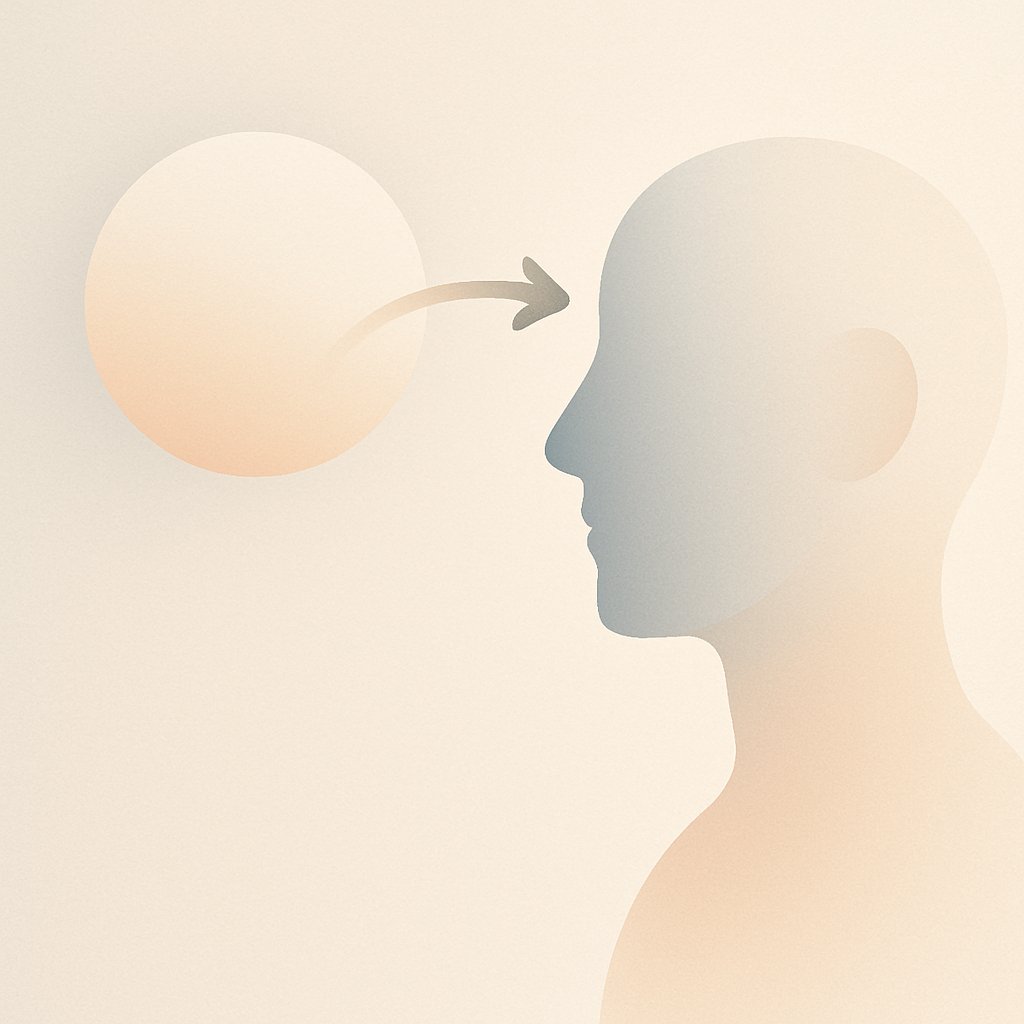
At its core, synesthesia is when the stimulation of one sense or concept (like a person) automatically triggers an experience in another sense (like color). What Is Synesthesia? offers a gentle introduction for those just learning about this phenomenon.
Person-color synesthesia is a specific variant. Here, a particular individual—sometimes just their presence, sometimes their name or even a photo—elicits a consistent color response in the synesthete’s mind. Unlike seeing someone’s favorite color and thinking, “That suits them,” this is not a conscious association. It’s more like a reflex, as natural as blinking when something flies toward your eye.
How Does It Work?
The exact “how” is still a bit of a mystery, but researchers believe it has to do with the way certain areas of the brain cross-communicate. In person-color synesthesia, the neural networks responsible for identifying people overlap or connect with those that process color. The result: the perception, thought, or memory of a person triggers a very real color experience, unique to each synesthete.
This color doesn’t usually show up “out there” in reality. It’s more like a mental color wash, a feeling, or an inner visualization. Some people see a color overlay when they look at the person or their name, while others sense the color as a mood or aura in their mind’s eye.
Real-Life Example: Meeting Colors in People
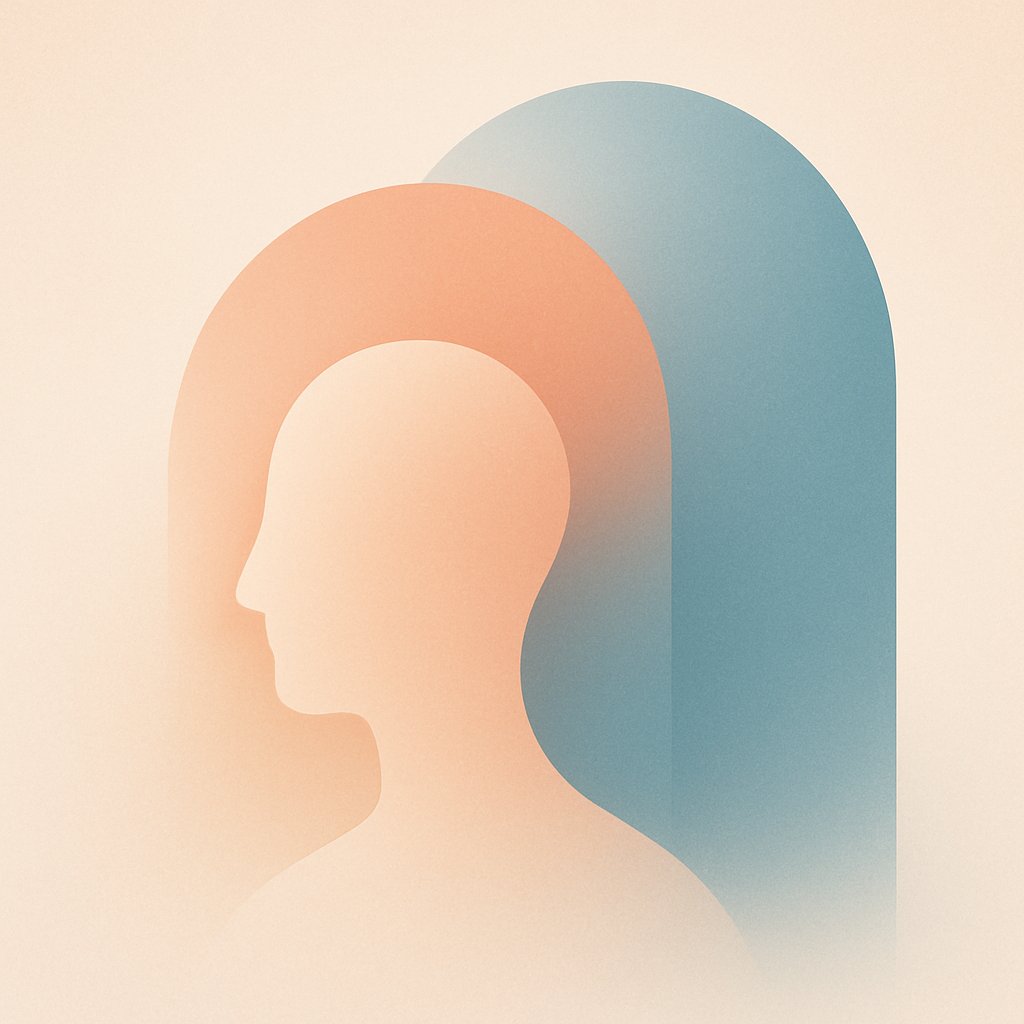
Let’s bring this to life with a real example. Meet Lila, who’s had person-color synesthesia for as long as she can remember. To her, her best friend Zoe is always a soft lavender—no matter what Zoe is wearing or where they are.
“I don’t see a purple glow around Zoe,” Lila explains. “But when she walks into a room, my mind just fills with lavender. It’s comforting. If I see Zoe’s name written down, the same color pops up in my head instantly.”
Sometimes, Lila’s color associations help her remember people’s names or feelings from past conversations. If she can’t quite recall a coworker’s face, she might remember them as “the deep green one” and the memory falls into place.
Not every synesthete experiences it this way. For some, the color is less like a mental image and more like a flash of color-feeling—hard to explain, but just as real to them.
What Triggers the Colors?
Person-color synesthesia can be set off by different cues, and this can vary from person to person:
- Seeing the person in real life
- Hearing or reading their name
- Thinking about them or recalling a memory
- Seeing their photo or hearing their voice
Some people notice the color only with people they know well—family, friends, teachers. Others experience it with nearly everyone they meet, or even with fictional characters.
It’s important to mention that these colors don’t usually change from day to day. If your brother is a shimmering gold, he’ll probably stay that way, even if you’re in a bad mood or he’s wearing a red shirt. Still, the intensity or vividness might shift with your emotions or attention.
How Person-Color Synesthesia Differs from Other Types
Synesthesia comes in many forms. The most commonly recognized is grapheme-color synesthesia, where letters or numbers automatically appear colored. There’s also sound-color synesthesia (hearing a violin note and seeing turquoise), and lexical-gustatory synesthesia (words bringing tastes).
Person-color synesthesia stands apart because its trigger isn’t an abstract symbol, sound, or taste—but a unique, whole person. The connection feels intimate and direct.
You might wonder if it’s similar to “aura reading” or seeing energy fields. While both involve color and people, synesthesia is involuntary and consistent, and doesn’t carry any supernatural or mystical meaning. Most synesthetes describe their experience as automatic, not spiritual.
For more on different synesthesia types, see Types of Synesthesia: A Guide.
What It Feels Like: The Lived Experience
Trying to explain what person-color synesthesia feels like can be like describing the taste of water—simple, yet surprisingly difficult. For many, it’s a steady companion, quietly coloring social experiences without much fanfare.
Here’s how some describe it:
- “It’s like every person I meet carries a colored thread, and my mind weaves those threads into the tapestry of my memories.”
- “Sometimes I can’t remember someone’s face, but I know they’re orange. It helps me place them.”
- “I thought everyone did this until I realized my friends didn’t get the same color flashes.”
Person-color synesthesia isn’t always visual in the sense of seeing something in front of you. For many, it’s more like a color mood that hovers in the background, sometimes brighter, sometimes subtle.
For those who do see a sort of overlay or aura, it’s not like a hallucination. The color doesn’t block out reality; it’s more like a gentle filter in the mind’s eye.
Common Misconceptions
It’s easy for misunderstandings to pop up around synesthesia, especially when experiences are hard to put into words. Here’s a gentle clarification:
Misconception: Person-color synesthesia is just imagination or a creative choice.
Reality: While synesthetes are often creative, their color-person links aren’t invented or chosen. They happen automatically, even if the color seems random or doesn’t match the person’s personality or appearance. If you have this, you’re not “making it up” or forcing it—it’s simply how your senses connect.
If you sometimes worry that your experience is “too weird” or “not real enough,” know that you’re not alone. The world of synesthesia is full of unique minds wired in fascinating ways.
Calming & Validating Thoughts
If you recognize yourself in any of this, take a deep breath. There’s nothing wrong with you. Having person-color synesthesia doesn’t mean you’re strange or broken—it just means your brain makes connections in its own special style. For many, this is a source of comfort, creativity, or playful curiosity.
Your experience is valid, whether your colors are bold or faint, always present or only with certain people. There’s no single “right” way to have synesthesia.
Analogy: Socializing With a Palette
Imagine walking into a party, and instead of just seeing faces and hearing names, every person is like a unique shade on a painter’s palette. Some are warm ochres, some cool violets, others a splash of neon green. You don’t mix these colors on purpose—they arrive with each handshake and hello, as natural as the color of the sky at dusk.
For many synesthetes, social interactions really do feel this colorful. It’s not always practical, and it doesn’t make friendships easier or harder, but it adds a subtle, personal layer to the social landscape.
How Is Person-Color Synesthesia Discovered?
Most people with this form of synesthesia don’t recognize it as unusual right away. They might assume everyone has the same experience, or they might keep it quiet, unsure how to describe it.
Often, discovery comes from a small, surprising moment. Maybe someone mentions, “For me, Sarah is always green,” and others look puzzled. Or perhaps you stumble across a synesthesia test or visualization tool online and suddenly realize that not everyone links Aunt May with a deep maroon.
If you suspect you experience this, you might find it helpful to jot down the colors you associate with different people. Notice if the colors stay the same over time, and if they pop up automatically.
How Does It Affect Daily Life?
The impact of person-color synesthesia varies widely:
- Memory Aid: Some find it helps with remembering names and faces, almost like a personal filing system.
- Creative Inspiration: For artists, writers, or musicians, these color associations can spill into creative projects—imagine painting a portrait using the colors you “feel” for each person.
- Neutral or Subtle: For others, the colors are a quiet background hum—interesting, but not especially life-changing.
- Occasional Frustration: Rarely, if a person’s “color” is unpleasant or clashes with another, it can feel distracting or odd.
Most synesthetes agree that, while person-color synesthesia shapes their social world, it doesn’t make or break their relationships. It’s more like a soundtrack than a script.
For more on how synesthesia can influence creativity, see Synesthesia and Creativity: Connections and Stories.
Person-Color Synesthesia vs. Social Perception
One question that often comes up: does the color reflect your feelings about the person? Sometimes yes, sometimes no. The color might match your emotional response, but just as often, it seems random.
For example, you might love your grandmother, but her “color” is a chilly steel gray. Or you might have a classmate you barely know, yet their color is a comforting peach.
It’s not about judgment or preference—it’s simply how your perception is wired. Over time, you might find that the color feels as much a part of a person’s “identity” as their voice or laugh.
Person-Color Synesthesia and Relationships
This unique color-perception can occasionally add an extra dimension to relationships. Some synesthetes find that the color deepens as they get to know someone, or that a breakup or falling out can change the color’s tone.
It’s worth emphasizing, though, that most synesthetes don’t make social decisions based purely on color. It’s just another layer of experience, not a guidebook for how to feel.
For those who wish to share this aspect of themselves, it can spark interesting conversations—sometimes leading to laughter, sometimes to a sense of being quietly understood.
Tools and Visualizations
Curious to see what your person-color synesthesia might look like outside your mind? Some online visualization tools let you “paint” the people in your life with their colors, or generate palettes based on your associations. These tools won’t capture the full depth of your experience, but they can be a playful way to externalize your inner world.
FAQ: Person-Color Synesthesia
1. Is person-color synesthesia rare?
It’s less commonly discussed than other forms, like grapheme-color synesthesia, but it’s not unheard of. Many people may have mild or subtle experiences that go unnoticed.
2. Do the colors ever change?
For most synesthetes, the color linked to a person stays fairly stable. However, it can shift slowly over time, especially as relationships or life circumstances change.
3. Does everyone with synesthesia experience person-color links?
Not at all. Synesthesia comes in many varieties, and each person’s “mix” is unique. Some may have only one type; others might experience several.
4. Can person-color synesthesia be “turned off”?
No, the associations are automatic and involuntary. You can choose not to focus on them, but they tend to pop up on their own.
5. Is this the same as seeing auras?
Not exactly. While both involve color and people, synesthesia is a neurological phenomenon, not a mystical or spiritual practice. The colors don’t carry meaning about health or emotions.
6. Can I develop person-color synesthesia later in life?
Most people notice it in childhood, but it’s possible for awareness to grow with age or self-reflection. Sometimes, a creative or mindful practice brings it into focus.
7. Where can I learn more about synesthesia types?
Check out our Types of Synesthesia: A Guide for detailed breakdowns and more examples.
Summary
Person-color synesthesia quietly colors the social experiences of those who have it, blending people and hues in ways that are as personal as a favorite song. If you find yourself sensing a shade every time you think of someone, you’re not alone—and you’re not imagining things. This form of synesthesia is just one of many ways the mind can mix its senses, adding depth, memory, and a touch of artistry to everyday life.
Whether your experience is vivid or faint, it’s real and valid. The world is richer for all the ways we perceive and connect. If you’re curious to explore further, you’ll find more resources and stories throughout Synesthetic.ca, and in the company of others who see the world just a little differently.
Related Articles
Smell-Color Synesthesia Explained: How It Works and What It Feels Like
Explains a specific type of synesthesia, including sensory triggers, lived experience, and how it differs from other types.

Emotion-Color Synesthesia Explained: How It Works and What It Feels Like
Explains a specific type of synesthesia, including sensory triggers, lived experience, and how it differs from other types.
Touch-to-Color Synesthesia Explained: How It Works and What It Feels Like
Explains a specific type of synesthesia, including sensory triggers, lived experience, and how it differs from other types.