Ordinal Linguistic Personification Explained: How It Works and What It Feels Like
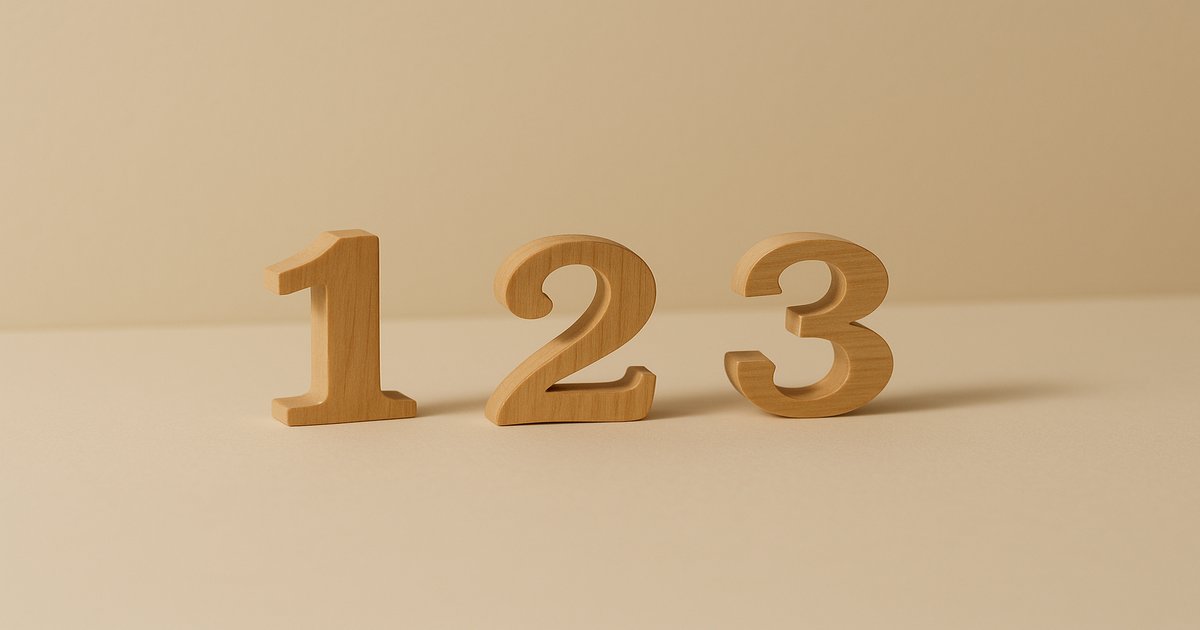
Ordinal Linguistic Personification Explained: How It Works and What It Feels Like
If you’ve ever felt like the number seven is a bit mischievous or that Wednesday just feels like a grumpy old man, you’re not alone. For some people, letters, numbers, days, or months seem to come to life with personalities, quirks, and even moods. This phenomenon has a name: ordinal linguistic personification, or OLP for short.
Quick Answer
Ordinal linguistic personification (OLP) is a specific type of synesthesia where ordered sequences—like numbers, letters, or days of the week—take on distinct personalities, genders, or emotional tones. For people with OLP, these associations are automatic and consistent. For example, the letter “A” might always feel like a strict teacher, while “B” is eternally gentle and shy. This isn’t the same as just imagining characters for fun; it’s a persistent, involuntary experience that colors the way some people perceive language and numbers in daily life.
What Is Ordinal Linguistic Personification?
Ordinal linguistic personification is one of those experiences that can sound odd or whimsical—until you realize how real and vivid it feels to those who have it. Ordinal refers to things that have an order: letters of the alphabet, numbers, days of the week, months of the year, and so on. Linguistic highlights that this is about language and symbols. Personification, of course, is the act of giving human traits to non-human things.
In OLP, these ordered symbols aren’t just dry concepts. They’re more like characters in an ongoing play, each with their own roles and relationships. For some, Monday feels like a stern supervisor; for others, “J” is a silly, lighthearted kid who never quite fits in with the others.
It’s a type of sequence–personality synesthesia—a cousin to other forms like grapheme-color synesthesia (where letters or numbers have colors) or spatial sequence synesthesia (where sequences are visualized in space). But instead of colors or spatial layouts, OLP is about personalities.

How Does Ordinal Linguistic Personification Work?
The mechanics of OLP aren’t fully understood, but here’s what’s clear from lived experience and research:
- Automaticity: The personalities assigned to letters, numbers, or days aren’t something you have to think about. They just are—as immediate as recognizing a friend’s face.
- Consistency: The associations tend to stick over time. If “4” feels bossy as a child, it probably still feels bossy decades later.
- Specificity: The personalities are detailed and nuanced. They aren’t just “friendly” or “mean”—they might have intricate relationships, backstories, or even emotional arcs.
A Relatable Example
Here’s how it can feel in real life: Imagine you’re solving a math problem, and suddenly you notice that “8” is being annoyingly smug about getting the answer right, while “6” is quietly sulking in the corner. You aren’t consciously making this up—it’s just there, part of your experience.
One person with OLP shared that the days of the week have family dynamics: Monday is the weary, overburdened parent; Friday is the rebellious teenager; Wednesday is the peacekeeper. These roles don’t shift day to day—they’re as stable as the days themselves.
What Triggers These Personifications?
The trigger is almost always seeing or thinking about the sequence itself. When you read the word “March,” the personality springs to mind. When you see the number “2,” you may sense her as a gentle, diplomatic presence.
These triggers can be:
- Reading or hearing letters, numbers, days, or months
- Thinking about sequences in your mind
- Reciting lists aloud or in your head
It’s not about trying to give personalities, the way a writer might invent characters. The sense of personality just shows up, uninvited.
What Does It Feel Like?
Trying to describe OLP can be like explaining how you know the difference between hot and cold. It’s just part of your experience. The personifications aren’t fanciful daydreams; they’re more like a soft, persistent overlay. Sometimes they’re vivid, almost like having a cast of characters in your head. Other times, they’re more subtle—a sense, a mood, a whisper of character attached to a symbol.
For some, these personalities can be comforting or grounding—like having familiar companions wherever you go. For others, it’s mostly a background hum, noticed only when someone asks.
A Simple Analogy
Think of it like reading a storybook where every letter or number is an illustrated character. But instead of seeing the pictures, you feel their personalities whenever you encounter them. It’s not a decision; it’s the way your mind interprets the symbols, the same way someone else might instinctively “hear” a color when they see a letter (as in grapheme-color synesthesia).
How OLP Differs from Imagination or Play
Here’s a gentle correction to a common misconception: OLP isn’t just about playing pretend or being creative. Many people imagine characters or assign traits for fun—think of how children say “the number 5 is my favorite because it’s cool.” OLP is different. The personifications are involuntary and consistent, not a game or a conscious invention.
If you have OLP, you don’t choose which letters or numbers have which personalities. In fact, trying to change them or assign new ones often feels awkward or plain wrong, like calling your best friend by the wrong name.
Is This Weird? Is It Okay?
If you’re reading this and nodding along, you might have wondered whether this experience is strange or something to keep hidden. The truth is, OLP is just one of the many ways human brains can wire themselves. It doesn’t mean there’s anything wrong with you. In fact, it can be a source of creativity, comfort, or simply a private way of seeing the world.
Everyone’s synesthetic experiences are unique. Some people have strong, elaborate personalities for every sequence; others have a handful that stand out. There’s no right or wrong way to experience OLP.
Why Does OLP Happen?
Nobody has a definitive answer, but here’s what’s known so far:
- OLP often appears early in childhood, sometimes before a child learns to read.
- It tends to run in families, much like other forms of synesthesia.
- Some researchers think it might be related to the way our brains organize abstract concepts—giving them a “hook” to make them easier to remember or relate to.
But for most people with OLP, the “why” is less important than the “what.” It’s simply part of daily life.
How OLP Differs from Other Synesthesia Types
OLP is one branch on the tree of synesthesia. Here’s how it compares to a few other types:
- Grapheme-color synesthesia: Letters and numbers have colors, not personalities.
- Spatial sequence synesthesia: Sequences are visualized in space—like a mental number line.
- Lexical-gustatory synesthesia: Words or sounds evoke tastes.
You can read more about different synesthesia types on our Synesthesia Types page.
Some people have more than one type (for example, letters might have both colors and personalities). Others have OLP alone.
OLP in Everyday Life
How does OLP show up day to day? It varies. Some people find it helps them remember dates, phone numbers, or lists. If “Tuesday” is always cheerful and “Thursday” is stern, that emotional color can help anchor your memory.
For others, the personalities simply coexist with daily tasks—like having a silent, quirky chorus following you from the calendar to the checkbook.
Real-Life Example
Here’s a simple real-life scenario:
A friend with OLP told me she always felt that “Sundays” were like a wise, kindly grandmother. When she was a child, this made Sundays feel safe and comforting, even if she couldn’t explain why. When someone asked her why she found Mondays so stressful, she realized that Monday, in her mind, was a bossy, impatient authority figure. The personalities lingered into adulthood, subtly coloring how she approached her week.
Misconceptions About OLP
It’s easy to misunderstand OLP, especially if you haven’t experienced it yourself. Here are a couple of common misconceptions:
“It’s just imagination.”
As mentioned earlier, OLP isn’t a matter of play-acting or choosing traits. The personalities are involuntary and persistent.“Everyone does this.”
While many people occasionally imagine personalities for fun, not everyone has the consistent, lifelong associations that define OLP.“It must be distracting or problematic.”
For most, OLP isn’t distressing or overwhelming. It’s simply a background experience—like a private flavor added to the alphabet soup.
If you’re curious about other types of synesthesia and how OLP fits within the broader picture, you might enjoy our What Is Synesthesia? explainer or our interactive tools and visualizations for exploring personal associations.
FAQ: Ordinal Linguistic Personification
1. Is OLP rare?
It’s not especially common, but it’s also not vanishingly rare. Some studies suggest a few percent of people might experience it, but many never realize it has a name.
2. Does OLP change over time?
The personalities tend to stay consistent, but details or intensity can shift as people grow and change.
3. Can you have OLP and other types of synesthesia?
Yes. It’s not unusual for someone with OLP to also have color associations, spatial layouts, or other forms.
4. Is OLP a sign of creativity or intelligence?
OLP is simply a difference in perception. Some people with OLP are creative, some aren’t; it’s not a marker of intelligence.
5. Can I “develop” OLP by practicing?
True OLP happens automatically and isn’t something you can train yourself to have. However, anyone can use personification as a memory aid or creative tool.
6. Does everyone with OLP experience it the same way?
Not at all. The personalities, intensity, and which sequences are personified can vary widely from person to person.
7. Is OLP ever a problem?
For most, OLP is neutral or positive. If it ever feels distressing or confusing, it can help to talk with someone who understands synesthesia, but this is quite rare.
Summary
Ordinal linguistic personification is one of those secret handshakes of the mind—a quiet, persistent way some people’s brains bring order and meaning to the world of abstract symbols. If you’ve ever sensed that letters, numbers, or days have their own personalities, you’re in good company. OLP isn’t about imagination or make-believe; it’s a genuine, deeply felt aspect of perception that can add richness and color to the everyday.
Everyone’s experience is unique, and there’s no right or wrong way to have OLP. If this resonates with you, take comfort in knowing you’re not alone—and that your cast of characters is just one more way the mind can make sense of the world.
If you’d like to learn more about synesthesia as a whole, start here. To explore your own experiences or visualize your sequence associations, try our Sequence Personification Visualizer. And if you’re curious about other flavors of synesthesia, our Synesthesia Types page has a full menu.
If you have questions or want to share your own experiences, we’re always glad to listen. The world is richer for all the ways we each perceive it.
Related Articles
Ordinal Linguistic Personification: When Numbers Have Personalities
Meet the numbers with personalities. Discover ordinal linguistic personification, where 7 might be a sophisticated gentleman and Monday is always grumpy. Learn what it's like to live in a world where numbers have feelings.
Conceptual Synesthesia Explained: How It Works and What It Feels Like
Explains a specific type of synesthesia, including sensory triggers, lived experience, and how it differs from other types.

How Synesthesia Affects Everyday Thinking
Introduces a foundational concept about synesthesia using clear language, real-world context, and research-backed explanations.