How Synesthesia Affects Everyday Thinking
How Synesthesia Affects Everyday Thinking
Quick Answer
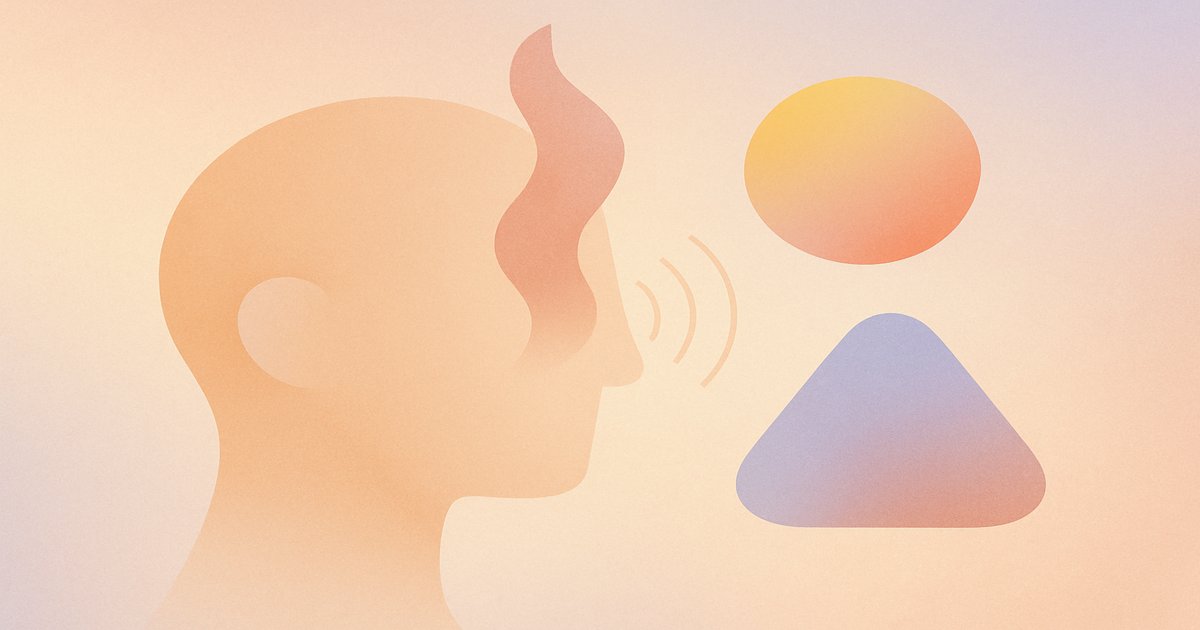
Synesthesia can gently color—or sometimes dramatically reshape—the way a person thinks, remembers, and experiences daily life. It’s not just about seeing colors while reading letters or hearing music that forms shapes (though those are common examples). For people with synesthesia, simple tasks like recalling a phone number, navigating a city, or even making decisions can feel different, often more vivid or layered. Some describe their thinking as “multi-sensory” or “cross-wired,” where senses and ideas flow together in surprising, sometimes delightful ways. While not every synesthete experiences life in the same fashion, synesthesia often becomes a subtle, steady background melody in the mind’s daily soundtrack.
Synesthesia: A Quick Refresher
If you’re new to the concept, What is Synesthesia? offers a thorough introduction. In brief, synesthesia is when stimulation of one sense or concept (like hearing a sound or thinking of a number) automatically triggers another, unrelated sensory experience. For example, someone might always see the letter “A” as red, or taste a fizzing sensation when hearing a trumpet.
But it’s not just about extra colors or tastes. Synesthesia can influence cognition itself—how a person thinks, remembers, solves problems, and even feels about the world. Individual experiences vary widely, but certain patterns emerge.

Everyday Thinking with Synesthesia: What Changes?
The Mind’s Canvas
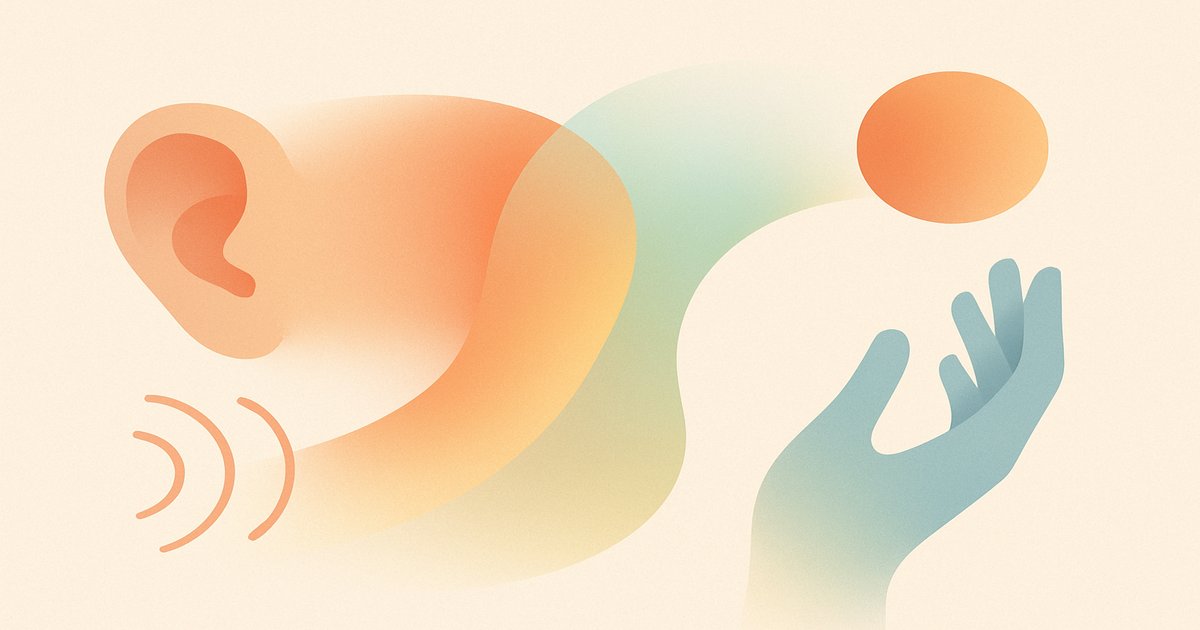
Imagine your mind as a painter’s palette. For most people, the colors are neatly separated: red in one well, blue in another. For a synesthete, though, the colors might blend and swirl together, creating new hues and textures. This blending isn’t chaotic; it’s more like a personal signature on the way thoughts take shape.
Example: Remembering a Date
Take something as ordinary as remembering a birthday. For someone with time-space synesthesia, the months of the year might appear as a winding ribbon or a circle around them. March might be neon green, and their friend’s birthday in October sits at a specific spot on this internal calendar—orange, cozy, slightly to the left. This vivid, spatialized memory makes it easier (and sometimes more fun) to recall dates, but it can also feel unusual compared to how others think.
Decision-Making and Problem Solving
Because synesthetic associations become part of a person’s cognitive toolkit, they can influence decision-making—sometimes in ways that are hard to explain to non-synesthetes. Imagine being asked to choose between two travel routes: one “feels” blue and the other “feels” yellow, with blue evoking calm and yellow sparking energy. A synesthete might gravitate toward the route that matches their mood, not just because of logic or traffic, but because of an underlying sensory resonance.
For others, numbers might have personalities (an aspect of ordinal-linguistic personification), subtly shaping preferences in everything from choosing a locker to picking lottery numbers.
Creativity and Learning
Many synesthetes say their unique perceptions help them learn and create. Musicians with chromesthesia might recall melodies by their associated colors, while writers remember storylines as distinct tastes or textures. These associations aren’t just quirks—they can be powerful memory aids or sources of inspiration.
But it’s not all magic. Sometimes, the extra sensations can be distracting. Someone with grapheme-color synesthesia who sees every letter in a specific hue might find it jarring when a word is printed in the “wrong” color. Others may struggle to explain their thinking, especially as children, when they don’t realize their experiences are unusual.
Misconception: Synesthesia Isn’t a Superpower
A common misunderstanding is that synesthesia is always a gift or a superpower—an endless source of creativity, memory, or talent. While it can be enriching, it’s not always convenient. Some people find their experiences neutral, or even distracting at times. It’s also not a guarantee of photographic memory or genius-level creativity. Like being left-handed or having curly hair, synesthesia is simply one way of experiencing the world—not a ticket to effortless brilliance.
A Calming Word: You’re Not Alone
If you’ve spent years quietly translating days of the week into colors, or arranging numbers around you in space, you’re in good company. Many people discover their synesthesia only after hearing someone else describe a similar experience. There’s no “right” way to think or feel about your perceptions. Synesthesia isn’t something you have to fix, hide, or prove. It’s simply part of your mind’s natural landscape.
The Subtle Influence: Synesthesia as a Mental Filter
Think of synesthesia as a gentle colored lens over everyday thinking. It rarely rewrites the script entirely; instead, it adds a soft gloss, shifting emphasis or shading memories, decisions, and associations. This filter doesn’t block reality, but it might make certain details pop, or infuse ordinary moments with a bit of extra texture.
Example: Navigating the Grocery Store
Picture this: you’re walking down a grocery aisle, working through your mental shopping list. Someone with lexical-gustatory synesthesia might taste mint when passing the cereal aisle, just because the word “Cheerios” triggers a minty flavor. For another person, the numbers on the price tags might glow with their own unique colors, making it easier (or sometimes harder) to keep track of prices. These little nuances can make routine tasks feel richer, sometimes more complicated, but usually just… different.
Individual Variation: No Two Minds Alike
If you’ve met one synesthete, you’ve met exactly one synesthete. The specifics—what triggers a response, how strong it is, how often it happens—differ from person to person. Some people notice their synesthesia all day, every day. Others only catch glimpses, especially when they’re tired, relaxed, or deeply focused. Even within the same type, like grapheme-color or chromesthesia, the palette and patterns shift.
This variety makes synesthesia fascinating but also hard to generalize. The most accurate answer to “how does synesthesia affect everyday thinking?” is: it depends—on the person, the type, and the context.
Simple Analogy: Synesthesia as a Secret Subtitle
If everyday thought is like watching a movie, synesthesia is the secret subtitle running along the bottom. Most people can follow the plot just fine, but synesthetes catch extra cues—colorful captions, background music, and flavors invisible to everyone else. Sometimes these subtitles are front and center, other times they fade into the background, but they’re almost always there, quietly influencing the show.
Related Reading & Tools
Curious about specific types? Explore more about grapheme-color synesthesia or chromesthesia. If you want to see what synesthetic perception can look like, try our interactive synesthesia visualization tool. For a foundational overview, visit What is Synesthesia?.
FAQ: How Synesthesia Affects Everyday Thinking
1. Can synesthesia help with memory or learning?
Many synesthetes say their associations make memorizing facts, dates, or sequences easier, because information comes with extra “tags” (like colors or shapes). But not everyone finds it helpful, and it doesn’t act like a magic memory boost for all.
2. Does synesthesia make it hard to concentrate?
For some, the extra sensations can be distracting, especially in busy, unfamiliar, or high-pressure situations. Others tune it out or use it to their advantage.
3. Is synesthesia always present, or does it come and go?
It varies. Some people experience synesthesia constantly, while others notice it more when relaxed, daydreaming, or engaging in creative work.
4. Can synesthesia change over time?
Yes, the types and intensity of synesthetic experiences can shift with age, stress, or life events. New associations might appear, or old ones might fade.
5. Is it possible to “turn off” synesthesia?
Most synesthetes can’t switch it on or off at will—it’s as automatic as breathing. However, it may fade into the background when you’re focused on something else.
6. Does everyone with synesthesia experience the same things?
No. Synesthetic experiences are highly individual. Even people with the same type (like grapheme-color) will have different color associations and intensities.
7. Can you “catch” or develop synesthesia later in life?
While most synesthetes report having their experiences since childhood, there are rare cases of synesthesia appearing after brain injury or other neurological changes. For most, it’s a lifelong trait.
Summary
Synesthesia weaves itself quietly through everyday thinking, sometimes bright and bold, sometimes so subtle it almost disappears. It isn’t a superpower or a burden—just a distinctive way the mind organizes and enriches experience. For some, it’s a trusted companion in memory and creativity; for others, it’s simply the background color of thought. However it shows up, synesthesia is valid, real, and worth understanding—whether you’re living with it or just discovering its possibilities. If your thoughts are painted with extra color or sound, you’re not alone. And even if they aren’t, knowing how differently minds can work brings a little more wonder to all of us.
Related Articles
Can Synesthesia Change With Age?
Introduces a foundational concept about synesthesia using clear language, real-world context, and research-backed explanations.
Is Synesthesia the Same for Everyone?
Introduces a foundational concept about synesthesia using clear language, real-world context, and research-backed explanations.
Is Synesthesia Rare or Just Underreported?
Introduces a foundational concept about synesthesia using clear language, real-world context, and research-backed explanations.