Emotion-Color Synesthesia Explained: How It Works and What It Feels Like

Emotion-Color Synesthesia Explained: How It Works and What It Feels Like
Quick Answer
Emotion-color synesthesia is a perceptual phenomenon where emotions are experienced with a consistent, involuntary sense of color. For some, happiness might shimmer yellow, while sadness could wash over in blue or gray. This is not just poetic language—colors genuinely appear, either in the mind’s eye or as a sense overlaying feelings, whenever those emotions arise. People with this form of synesthesia aren’t imagining or choosing these color associations; they simply happen. The details can be as unique as the people who experience them.
What Is Emotion-Color Synesthesia?
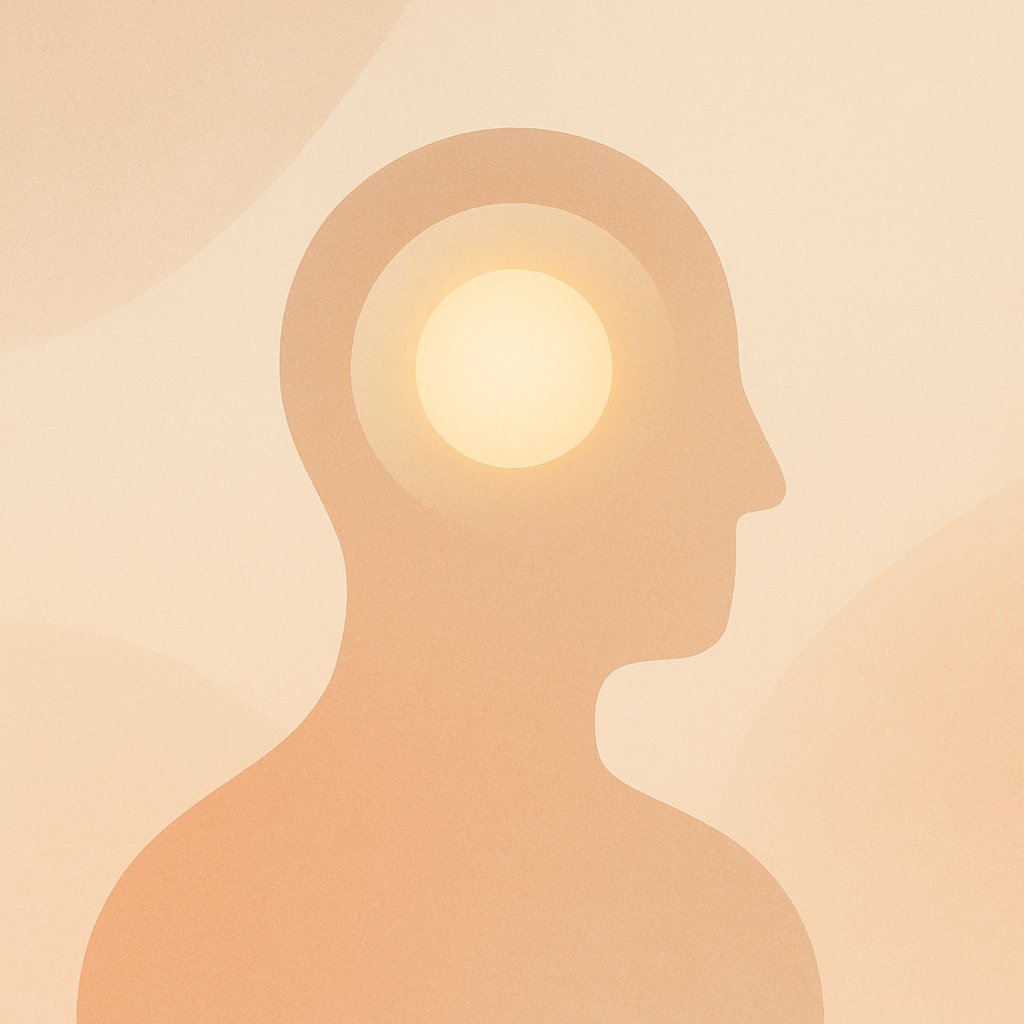
Most people are familiar with the idea that music might move us, or a memory might feel “warm” or “cool.” But for those with emotion-color synesthesia, emotions don’t just feel metaphorically colorful—they are actually perceived with color. This is a specific type of synesthesia where the trigger (“inducer”) is an emotion, and the response (“concurrent”) is an actual experience of color.
People often discover this difference early in life, sometimes in childhood, sometimes much later. It can be subtle at first. You might notice that excitement isn’t just a rush—it has a burst of bright orange, or that anxiety creeps in with a smoky, shifting purple. These colors are real, in the sense that they are part of the person’s perception, not just a figure of speech.
Emotion-color synesthesia sits alongside other forms like grapheme-color synesthesia, where letters or numbers have colors, or sound-to-color synesthesia, where music splashes the mind’s canvas with hues. But with emotion-color, the palette is painted by your own inner world.
What Does It Feel Like?
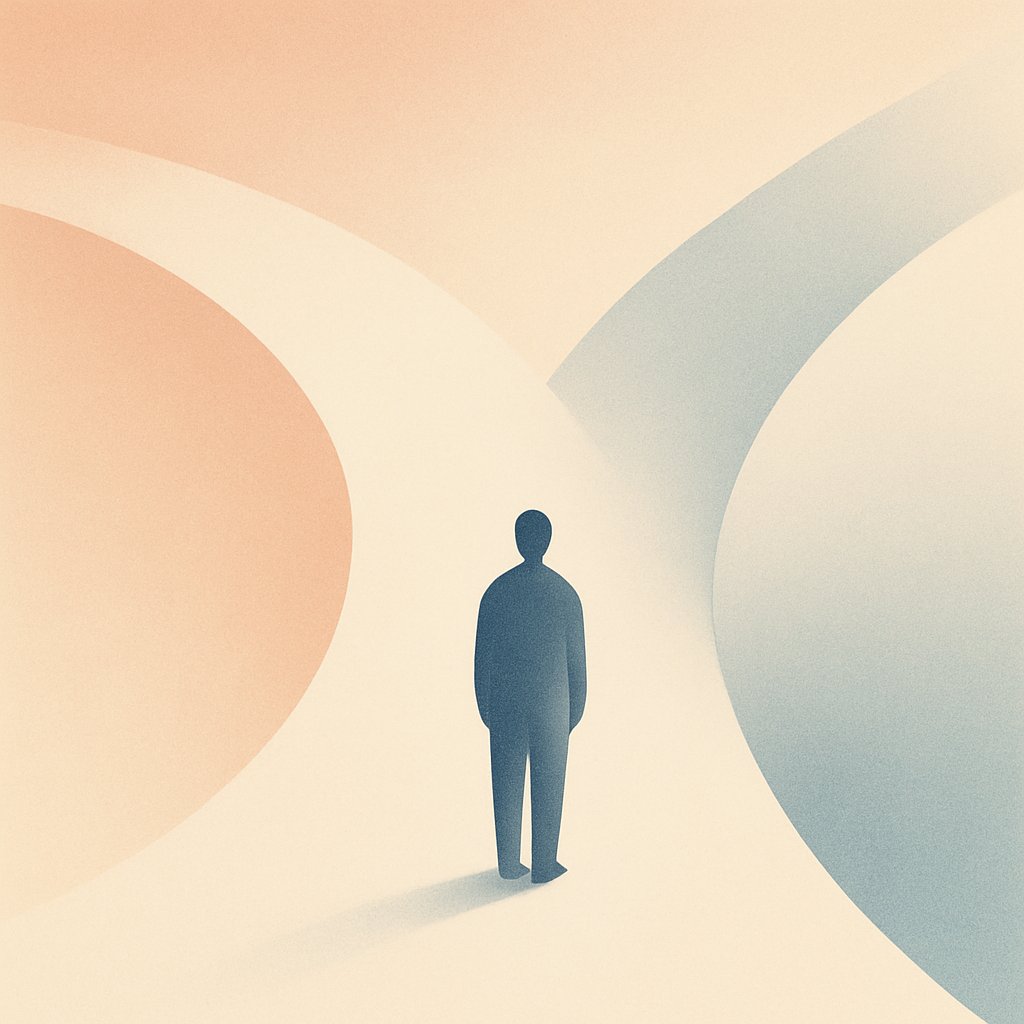
Imagine emotions as guests at a party, each one wearing a distinctive colored coat. When joy arrives, it might be wearing a sparkling yellow jacket. Grief could show up in deep indigo. These aren’t choices or artistic interpretations—they’re simply how the emotions appear, without effort or intent.
For some, the color comes as a strong mental image, like seeing a colored mist or patch when an emotion surfaces. Others experience it more as a felt sense—a “knowing” of the color, or a sort of tinted filter that overlays the emotion. The experience doesn’t always fill the visual field like a hallucination. Instead, it can be subtle, like the way some people “hear” a song in their head—a private, vivid experience.
A Real-Life Example
Take Maya, for instance. She’s always associated her own happiness with a clear, watery turquoise—not because she decided turquoise is cheerful, but because whenever she feels true happiness, that same luminous shade appears in her mind’s eye. When nervousness creeps in before a big presentation, she notices a jittery, electric pink buzzing at the edges of her awareness. It’s automatic. She could no more choose a different color than she could choose a different heartbeat. These colors don’t distract her from the emotion—they’re just part of it, like the color of a voice or the flavor of a favorite food.
How Does It Actually Work? (And How Is It Different?)
The exact mechanics of synesthesia are still being explored, but most researchers believe it involves extra connectivity between sensory and emotional areas of the brain. In emotion-color synesthesia, these connections link emotional processing regions with those that handle color perception.
It’s not the same as “thinking in color” or using color as a metaphor. For synesthetes, the color is an involuntary, consistent response to the feeling itself. If anger shows up as crimson one day, it’s likely to show up that way again and again. This is one of the hallmarks of synesthesia: stability over time.
That said, each person’s experience is as individual as a fingerprint. Some see colors only with very intense emotions; others notice subtler shades with even minor feelings. The colors themselves can range from bright and obvious to soft and pastel. Some people see them internally, like a mental overlay, while others feel them more as an aura or mood around the emotion.
If you’re curious about your own experiences, you might enjoy our interactive emotion-color visualization tool, where you can map your own emotional palette and see how it compares with others.
Common Misconceptions (Gently Corrected)
One of the biggest misconceptions about emotion-color synesthesia is that it’s simply a creative way of describing feelings. People sometimes say, “Oh, you just mean you feel blue when you’re sad, like in the song?” But for synesthetes, it’s not a metaphor or poetic flourish. The color is literally there, entwined with the feeling, not a layer of language or symbolism.
Another misunderstanding: some believe that synesthetes can “pick” their colors to match their mood, or that everyone with synesthesia experiences it the same way. In reality, the pairings are automatic and unique. Two people might both feel joy as yellow, or one might see it as lavender. There’s no universal code.
Is It Helpful or Distracting? (A Calming Perspective)
If you’re reading this and recognizing your own experiences, you might wonder if living with emotion-color synesthesia is a “good” or “bad” thing. In truth, most people find it neutral or even comforting—a gentle enhancement to the way emotions are felt and remembered.
Some say the colors help them recognize and process feelings, like having an extra signal light on the dashboard of the mind. Others find that the colors just are, neither helpful nor inconvenient. Rarely does it get in the way of daily life.
If you’re feeling uncertain, know this: there’s nothing “wrong” or broken about having emotion-color synesthesia. It’s simply another way that the mind can knit together senses and feelings. Your experience is valid, and you’re not alone. You might find comfort in reading more about what synesthesia is or connecting with others who share similar perceptions.
How Is Emotion-Color Synesthesia Different From Other Types?
While many people associate synesthesia with seeing numbers or sounds as colors, emotion-color synesthesia is distinct in its trigger. Here, it’s not external stimuli like letters or music, but internal states—feelings—that set off the color response.
For example, grapheme-color synesthesia links written symbols to color, and sound-to-color synesthesia does so with auditory input. Emotion-color synesthesia is more like a garden that blooms from within; the color emerges from inside, not from something you see or hear.
Some people have more than one type, and the experiences can overlap or weave together. You might notice that the color you see for “joy” is similar to the color you see for a favorite song, or that certain words evoke both an emotion and a color at the same time. There’s no single template—each mind paints its own masterpiece.
A Simple Analogy
If you think of emotions as musical notes, then emotion-color synesthesia is like each note casting its own distinct shadow of color. Just as every piano key has its sound, every feeling has its hue—visible only to the person playing the keys. The music and the color are separate, but inseparable in the experience.
Related Reading and Tools
- What Is Synesthesia?
- Grapheme-Color Synesthesia Explained
- Sound-to-Color Synesthesia Explained
- Emotion-Color Visualization Tool
- Is My Experience Synesthesia?
FAQ: Emotion-Color Synesthesia
1. Is emotion-color synesthesia rare?
It’s less common than some other types, like grapheme-color synesthesia, but it’s also likely underreported. Many people with it don’t realize their experience is unusual.
2. Do the colors ever change over time?
For most, the color associations are quite consistent, but they can shift subtly as a person’s emotional life changes. Major life events or stress can sometimes bring new colors into the palette.
3. Is this the same as “seeing auras”?
No. While both involve color and emotion, aura perception is usually described as seeing colors around other people, whereas emotion-color synesthesia is a personal, internal response to one’s own feelings.
4. Can someone develop emotion-color synesthesia later in life?
Most people notice it in childhood or adolescence, but sometimes it becomes more apparent in adulthood. It’s not something you can “train” yourself to have in the typical sense.
5. Does it help with emotional awareness or creativity?
Some people feel it gives them a richer sense of their own emotions, or helps inspire creative work. Others don’t notice any particular benefit—it’s just part of how they sense and process their world.
6. How do I know if I have it?
If you consistently and involuntarily experience specific colors with certain emotions, and it’s been that way for a while, you might be experiencing emotion-color synesthesia. Our self-check guide might help you sort through your experiences.
7. Is there a test or diagnosis for this?
There are questionnaires and interviews used in research settings, but no medical test or formal diagnosis is required or necessary. Understanding your own perception is what matters most.
Summary
Emotion-color synesthesia is a window into the mind’s remarkable ways of weaving together senses and feelings. For those who experience it, the world of emotion comes with its own private spectrum—a silent, colorful language as natural as breathing. Whether you see joy as gold, sadness as violet, or something entirely your own, your experience is real and worth honoring. The colors of emotion don’t need to be explained away or fixed; they are simply one of many ways the mind can color the world. If you’re curious, uncertain, or simply fascinated, know that you belong to a quiet, creative community of others who see and feel the world in vivid, unexpected ways.
Related Articles
Touch-to-Color Synesthesia Explained: How It Works and What It Feels Like
Explains a specific type of synesthesia, including sensory triggers, lived experience, and how it differs from other types.
Symbol-Color Synesthesia Explained: How It Works and What It Feels Like
Explains a specific type of synesthesia, including sensory triggers, lived experience, and how it differs from other types.

Grapheme-Color Synesthesia Explained: How It Works and What It Feels Like
Explains a specific type of synesthesia, including sensory triggers, lived experience, and how it differs from other types.