Can Everyone Experience Mild Synesthesia?

Can Everyone Experience Mild Synesthesia?
Curiosity about synesthesia seems to be catching. If you’ve ever wondered whether everyone has at least a little of it, you’re in good company. Maybe you’ve heard a friend say, “Mondays feel blue,” or you sometimes picture numbers in a particular shape in your mind. Is that mild synesthesia, or something else? The world of perception is full of subtle shades—let’s take a closer look.
Quick Answer
Not everyone experiences synesthesia, even in a “mild” form. While many people have strong associations—like thinking of high-pitched sounds as “bright” or associating certain colors with moods—true synesthesia involves involuntary, consistent cross-sensory experiences. These are more than learned habits or metaphors. Most people do not experience genuine synesthesia, but shared perceptual quirks are a normal part of being human, and you’re not alone if you find yourself somewhere in the grey area between typical perception and synesthetic experience.
What Is Synesthesia, Really?
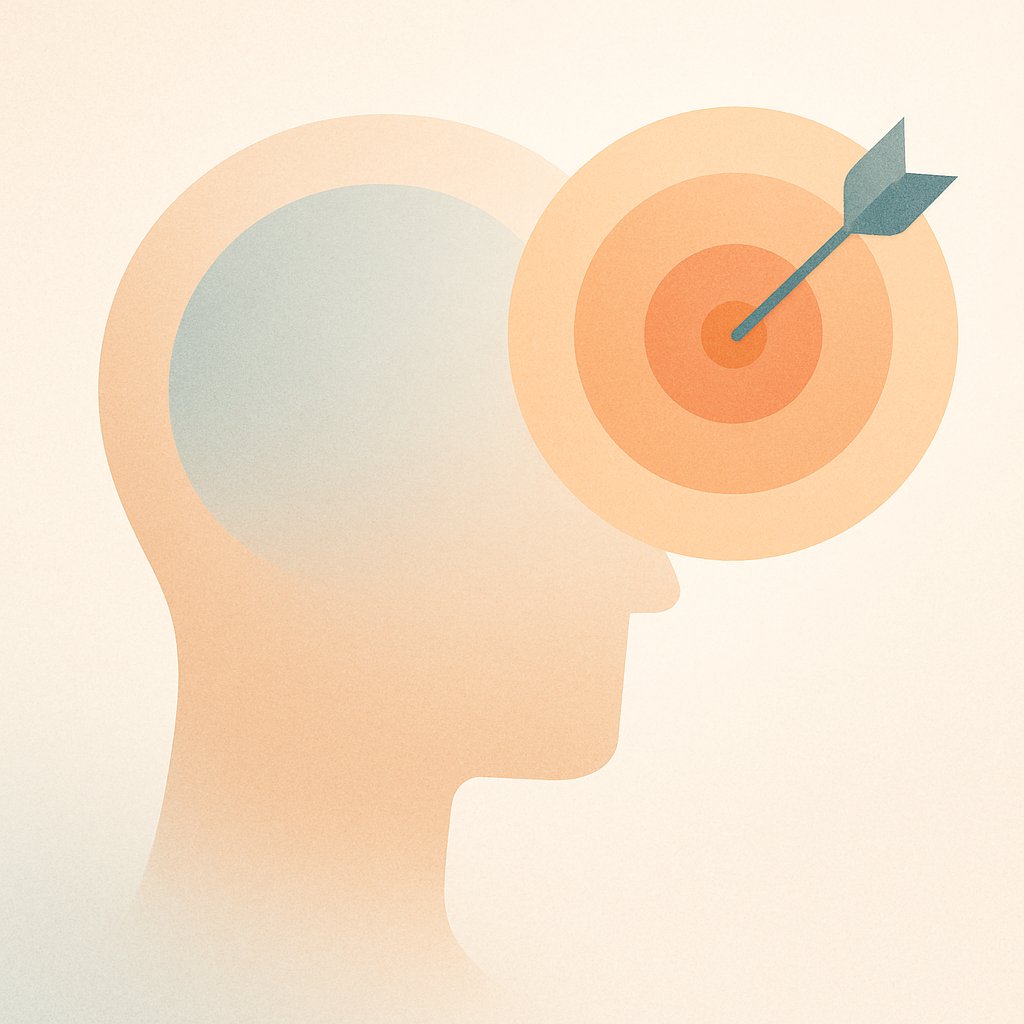
To get our footing, it helps to start with what synesthesia is. Synesthesia is a condition—though many synesthetes call it a trait or a difference—where stimulation of one sense or cognitive pathway leads to automatic, involuntary experiences in another. For example, someone might see a particular color when they hear a specific musical note, or taste flavors when reading words.
But synesthesia isn’t just making connections, like “lemon feels yellow.” It’s a direct, sensory experience. A person with grapheme-color synesthesia might see the letter “A” as red every time they read or even imagine it, whether it’s on a paper, a screen, or floating behind their eyelids. This response is consistent and feels as real to them as the actual color of a stop sign.
That said, not all synesthetic experiences are bold and vivid. Some are subtle, more like a gentle overlay or a quiet echo in the mind, but the key is that they happen automatically, not by choice.
The Slippery Slope of “Mild Synesthesia”
Here’s where things get tricky. Many people report having cross-sensory connections, especially when they’re young or engaged in creative work. For instance, it’s common to describe music as “warm,” or to call a particular day “sharp.” Does that mean everyone has a little synesthesia?
Not quite. These associations are called ideasthesia—when an idea, rather than a sensory input, evokes a sensory-like response. It’s the difference between a real bridge and a drawing of a bridge: both connect two points, but only one you can walk across. True synesthesia is the real bridge.
A common misconception is that anyone who says “this song feels blue” is experiencing synesthesia. Often, such expressions are metaphoric or learned from culture. Genuine synesthetes don’t need to try or imagine—their brains generate these pairings automatically, and usually with the same precise qualities every time.
Everyday Associations: Where Do They Come From?
Humans are natural pattern-finders. It’s easy to see how language and culture teach us to make connections between senses. Think about how we talk about “loud” colors or “sweet” melodies. Our brains seem wired to blend ideas, especially when language comes into play.
Here’s a relatable example: Imagine biting into a lemon. Even before the taste hits your tongue, you might wince or feel a tingle in your jaw. That’s not synesthesia—it’s a learned, bodily response. Similarly, most people associate the color red with heat or danger, thanks to shared life experiences. But these are not involuntary, sensory crossovers. They’re more like well-trodden paths than mysterious shortcuts.
A Real-Life Example: The “Colorful Calendar”
Meet Zoe. She’s always pictured her calendar as a circle, with each month in a set place around the wheel—January at the top, July at the bottom. The months have distinct colors, too: March is green, October a deep orange. Zoe first noticed this as a child, and the arrangement never changes. “It’s just there in my head,” she says. “I didn’t choose it, and I can’t not see it.”
For Zoe, these spatial and color associations are involuntary and consistent, pointing to a form of sequence-space synesthesia and grapheme-color synesthesia. On the other hand, her brother, who can imagine the months in a line if he tries, doesn’t see them automatically. His associations are more like habits.
Zoe’s experience highlights the difference between a synesthetic perception and a creative association. Both are valid and interesting, but they’re not quite the same thing.
Why Do Some People Have Synesthesia?
The roots of synesthesia are still being untangled by researchers. There’s evidence it runs in families, suggesting a genetic component. Some scientists think all infants might start out a bit more “synesthetic,” with neural connections between senses that get pruned as we grow. Most people lose these links, but for synesthetes, some connections remain, resulting in lifelong cross-sensory experiences.
Still, this doesn’t mean everyone has a “hidden” synesthesia waiting to be activated. While many of us are capable of creative connections, actual synesthetic perception is less common than you might think. Estimates suggest it affects about 4% of the population, though the number varies depending on how you define it and what you’re looking for.
The Spectrum of Perception
Perception isn’t black and white; it’s more like the color wheel Zoe sees in her mind. Some people have vivid, unmistakable synesthetic experiences. Others have subtle, fleeting sensations, or strong mental associations that aren’t quite synesthesia but still enrich their lives.
Think of it like listening to music in a room: Some people hear the notes so powerfully that the sound seems to paint the walls. Others can hum along but don’t see colors or shapes. And many of us enjoy the tune, feeling emotions or memories, even if our senses don’t literally overlap.
Misconceptions: Clearing the Fog
It’s easy to think that synesthesia is just a fancy word for being imaginative or artistic. That’s one of the most common misconceptions. While many synesthetes are creative (and plenty aren’t), imagination alone doesn’t make an experience synesthetic.
Another myth: “Everyone has a little synesthesia, deep down.” While it’s comforting to think we all share this trait, the reality is more nuanced. Most people have cross-modal associations, but not the involuntary, persistent sensory pairings that define synesthesia.
If you’ve ever doubted your own experiences, you’re not alone. The line between vivid imagination and synesthesia can be blurry, and both are valid ways of experiencing the world.
How Can You Tell If You Have Synesthesia?
If you’re wondering where you fit, a few questions can help:
- Are your associations automatic and consistent? For example, does the letter “S” always look green to you, no matter when or where?
- Do you have to think or try, or does it just happen?
- Are these pairings present since childhood, or did they develop recently (for example, after taking medication or having a sensory experience)?
These questions aren’t a checklist for diagnosis, but they can help clarify what you’re experiencing. You might also find our Synesthesia Self-Test Tool a useful starting point.
The Value of Subtle Perceptions
Even if you don’t have full-blown synesthesia, your unique associations are still meaningful. The mind is a master at pattern-making, and there’s beauty in the way we each interpret the world. Whether your connections are automatic or chosen, they’re part of what makes you, you.
If you’re a synesthete, know that your experiences are valid—even if they’re gentle or hard to describe. Sometimes synesthesia is a vivid technicolor parade; other times, it’s a soft hum in the background. Both are real.
A Simple Analogy: The Radio Dial
Think of the mind like an old-fashioned radio. Some people tune into a clear, strong station—synesthesia comes through loud and bright, with colors or tastes tied directly to sounds or words. Others pick up faint signals, or hear static between stations—associations more than perceptions. And some people don’t catch the signal at all, but still enjoy the music in their own way. No setting is “better” or “worse”—they’re just different places on the dial.
Related Types and Variations
Synesthesia comes in many forms. If you’re curious about the different types, you might want to browse our Synesthesia Types Guide. Some of the most well-known are:
- Grapheme-Color Synesthesia
- Spatial Sequence Synesthesia
- Sound-Color (Chromesthesia)
- Lexical-Gustatory Synesthesia
Each type has its own flavor, and experiences can vary widely between individuals—even among those with the same label.
FAQ
1. If I sometimes associate colors with music, does that mean I have mild synesthesia?
Not necessarily. Many people make associations between sounds and colors, especially if they’re involved in music or art. True synesthesia is involuntary, consistent, and feels like a perception rather than a thought or memory.
2. Can someone develop synesthesia later in life?
Most synesthetes notice their experiences from childhood, but there are rare cases where synesthesia appears after changes in brain function, medication, or sensory experiences. However, this is unusual and not the norm.
3. Are creative people more likely to have synesthesia?
Synesthesia does appear more often in creative communities, possibly because creative people are encouraged to express unusual perceptions. But having synesthesia isn’t a requirement for creativity, nor does creativity guarantee synesthesia.
4. Is it possible to “train” yourself to have synesthesia?
While you can strengthen associations through habit or practice, these are not the same as involuntary, perceptual experiences that define synesthesia. Imagining or remembering isn’t the same as actually perceiving.
5. How can I find out if I have synesthesia?
You might find our Synesthesia Self-Test Tool helpful. You can also read more about what synesthesia is and see if your experiences match common types. If you remain unsure, talking to others who experience synesthesia can be enlightening.
6. Are there health risks or benefits to having synesthesia?
Synesthesia isn’t considered a disorder or illness. Most synesthetes view it as a harmless difference, sometimes even a gift. It doesn’t usually require treatment unless it causes distress, which is rare.
7. Can synesthesia fade or change with age?
Some people notice their synesthesia becoming less vivid as they get older, while others find it remains stable. Changes can happen, but there’s a lot of individual variation.
Summary
Not everyone experiences mild synesthesia, though most people have rich, layered ways of sensing and interpreting the world. Genuine synesthesia stands apart because of its involuntary, consistent, and perceptual nature. Still, whether you see sounds as colors or simply enjoy the poetry of language, your perceptions are valid and worth exploring. The boundary between synesthesia and typical experience isn’t always sharp, but that’s part of the wonder of being human—each mind, a unique lens on reality.
If you’d like to learn more, check out our guides on What Is Synesthesia or explore the Types of Synesthesia for more real-life stories and tools. Above all, know that your way of seeing the world is part of your own creative landscape, whether painted in vivid colors or gentle shades.
Related Articles
How Stable Is Synesthesia Over a Lifetime?
Introduces a foundational concept about synesthesia using clear language, real-world context, and research-backed explanations.
What Is Different Ways People First Discover Synesthesia? A Clear Explanation
Introduces a foundational concept about synesthesia using clear language, real-world context, and research-backed explanations.
Why Synesthesia Often Runs in Families
Introduces a foundational concept about synesthesia using clear language, real-world context, and research-backed explanations.